How Atrium Combines R&D and Process Engineering for Scalable Manufacturing
Atrium’s process is designed for teams that need more than basic production. We combine formulation development, process engineering, and packaging/automation support to move products from concept to commercialization with scalable, repeatable results.
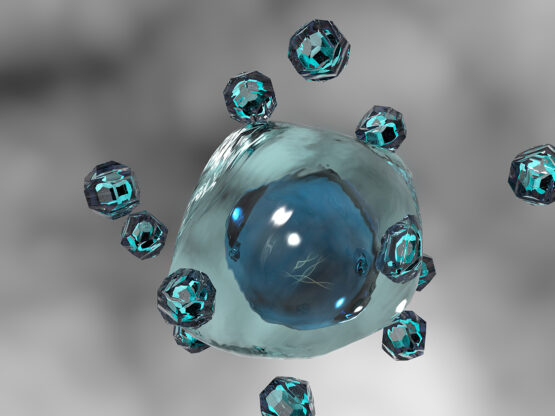
Where appropriate, we use proven formulation approaches—such as solubilization, complexation, and encapsulation techniques—to improve manufacturability and help formulations remain stable and consistent through scale-up and shelf-life testing. We apply structured documentation and in-process controls so your product can scale with fewer surprises.
How Every Project Runs at Atrium: From First Brief to Final Release
Feasibility & requirements (specs, constraints, packaging format, timeline, and claims-safe positioning)
Formulation & pilot batches (stability-minded design; iteration based on data)
Scale-up & validation (process windows, QC checkpoints, documentation discipline)
Production & release (repeatable batches with testing support and COAs as needed)
Have a difficult manufacturing challenge or need to innovate? Request a technical consultation — Atrium will tell you what’s feasible and what it takes to execute reliably.
Atrium’s In-House Testing Lab
Faster Validation, Stronger Quality, Better Compliance
Atrium supports development and manufacturing with an internal testing laboratory to speed decision-making and improve product consistency. This capability strengthens quality control, shortens iteration cycles during R&D, and helps projects move to market faster with greater confidence.
Key analytical and QC capabilities
HPLC (High-Performance Liquid Chromatography) for assay and component profiling, where applicable
GC (Gas Chromatography) for volatile profiling / residual screening, where applicable
LC-MS (Liquid Chromatography–Mass Spectrometry) for advanced analytical confirmation, where applicable
Viscometer for rheology/viscosity control (critical for gels, creams, coatings, and film dopes)
Automatic titrator for precise pH/acid-base control and repeatability
Incubator for controlled environmental testing as needed (e.g., certain QC or screening workflows)
Fume hood for safe handling of analytical and development workflows
By integrating testing with manufacturing, Atrium can verify incoming materials, support formulation optimization, and establish practical QC checkpoints—improving product quality, speed-to-market, and compliance readiness for U.S. brands that require reliable documentation and repeatable output.
Want a manufacturer that can solve problems and validate solutions quickly? Talk to our technical team.
Frequently Asked Questions
What does the end-to-end manufacturing process at Atrium Scientific look like?
Atrium’s manufacturing process moves through four phases: (1) Feasibility and requirements — evaluating the active ingredient profile, regulatory pathway, and product format; (2) Formulation and pilot batches — developing and refining the formula with prototype production; (3) Scale-up and validation — transitioning from pilot to commercial batch size with process validation and stability testing; (4) Production and release — GMP manufacturing, in-process QC, finished goods testing, and product delivery. Each phase has defined documentation and sign-off milestones.
How long does contract manufacturing from concept to first production run take?
Timeline varies by product complexity. Simple private label products from Atrium’s stock formulation library can launch in 8–12 weeks. Custom formulation development projects typically take 16–24 weeks from concept through first commercial production run, depending on stability testing requirements and ingredient lead times.
Does Atrium Scientific perform in-house stability testing?
Yes. Atrium’s in-house analytical labs conduct accelerated and real-time stability testing for all product categories including dietary supplements, oral care products, and topicals. Stability studies include potency assays, microbial testing, dissolution testing, and physical attribute evaluation. Stability data is provided to clients as part of the product development documentation package.
What quality control documentation does Atrium provide with each production run?
Each production run includes a Certificate of Analysis (COA), batch manufacturing record, in-process quality control data, and finished goods testing results. Documentation is prepared to support FDA compliance and is available for client audit review. Clients also receive guidance on label requirements and supplement facts panel compliance as part of the delivery package.
Page last updated: April 18, 2026