
Suppository Contract Manufacturing in the USA: A Complete Guide for Brands
If you’re developing a suppository-based product — whether for wellness, women’s health, cannabis, pediatrics, or pharmaceutical applications — finding the right U.S.-based contract manufacturer is one of the most consequential decisions you’ll make. The market for specialty suppository products is growing, yet very few domestic manufacturers possess the equipment, formulation expertise, and regulatory infrastructure to produce them at commercial scale. This guide covers everything brand owners, formulators, and product developers need to know: the types of suppositories available, how the manufacturing process works, what to look for in a CMO, regulatory considerations, and how to get started.
What Is Suppository Contract Manufacturing?
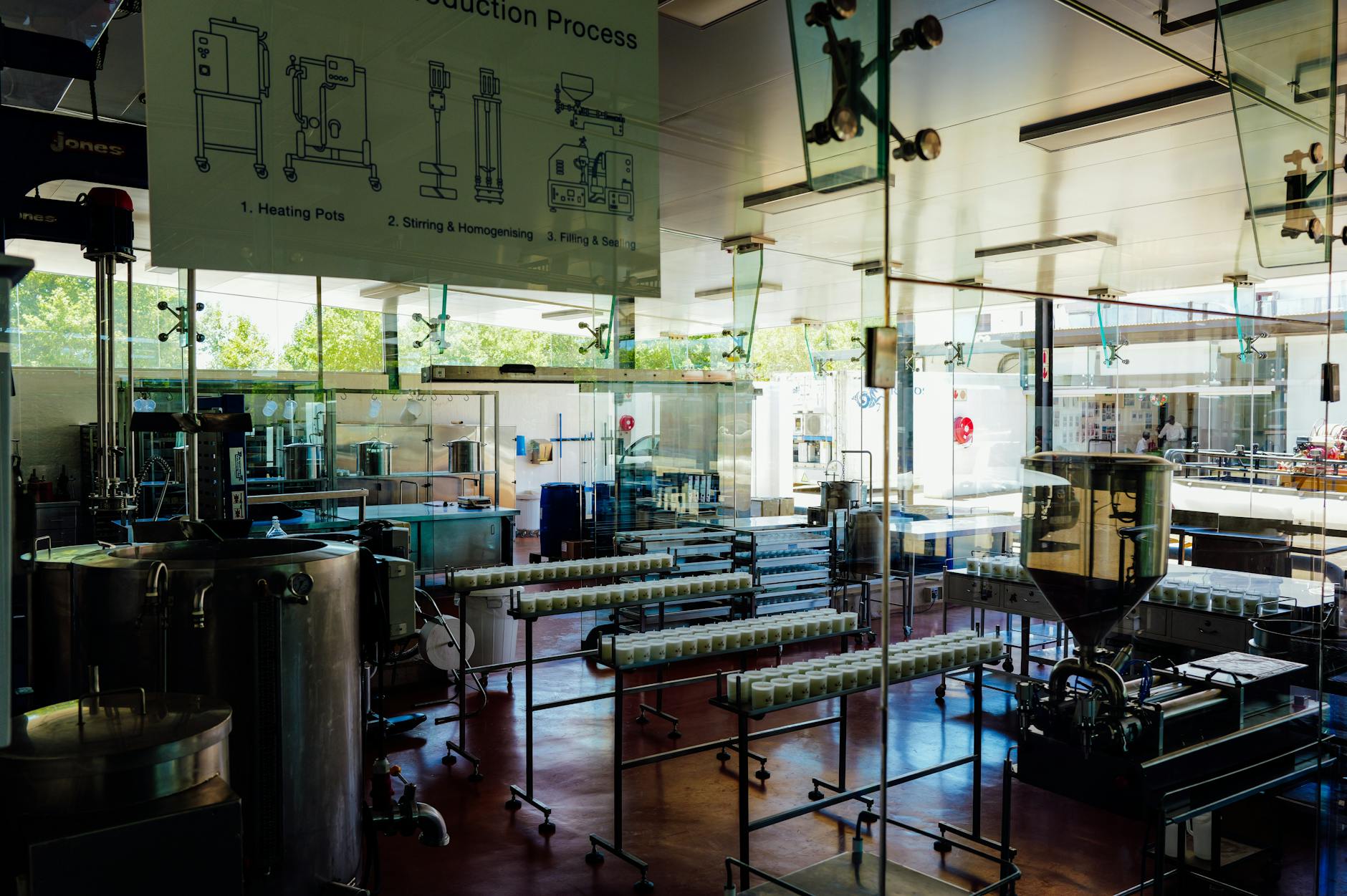
Suppository contract manufacturing is the production of rectal or vaginal suppositories by a specialized CMO on behalf of a brand. It involves formulating an active ingredient into a lipid or water-soluble base (cocoa butter, Witepsol, or PEG), filling into molds, cooling to solidify, and packaging under cGMP conditions. Very few U.S. CMOs have qualified suppository manufacturing capability, making partner selection critical.
Suppository contract manufacturing is the process by which a specialized facility produces suppository dosage forms on behalf of a brand, company, or R&D organization. Rather than building in-house manufacturing operations — which requires significant capital, dedicated equipment, and compliance infrastructure — brands partner with a contract manufacturer to handle formulation development, production, quality control, and packaging.
Suppositories remain one of the most clinically effective drug and supplement delivery routes, offering rapid systemic absorption without first-pass liver metabolism, high bioavailability for actives that degrade in the gastrointestinal tract, non-oral administration for patients with swallowing difficulties or nausea, and targeted localized delivery for conditions affecting rectal and vaginal tissue.
Types of Suppositories Manufactured in the USA
A qualified U.S. suppository contract manufacturer should be capable of producing multiple formats:
- Rectal suppositories — systemic drug delivery, laxatives, hemorrhoid treatments, pediatric dosing
- Vaginal suppositories — antifungals, probiotics, hormonal therapies, pH balancers, intimate wellness
- CBD and hemp-derived suppositories — emerging category; regulated at the state level
- Nutraceutical suppositories — vitamins, botanicals, and supplement actives for enhanced bioavailability
Common Suppository Bases Used in Manufacturing
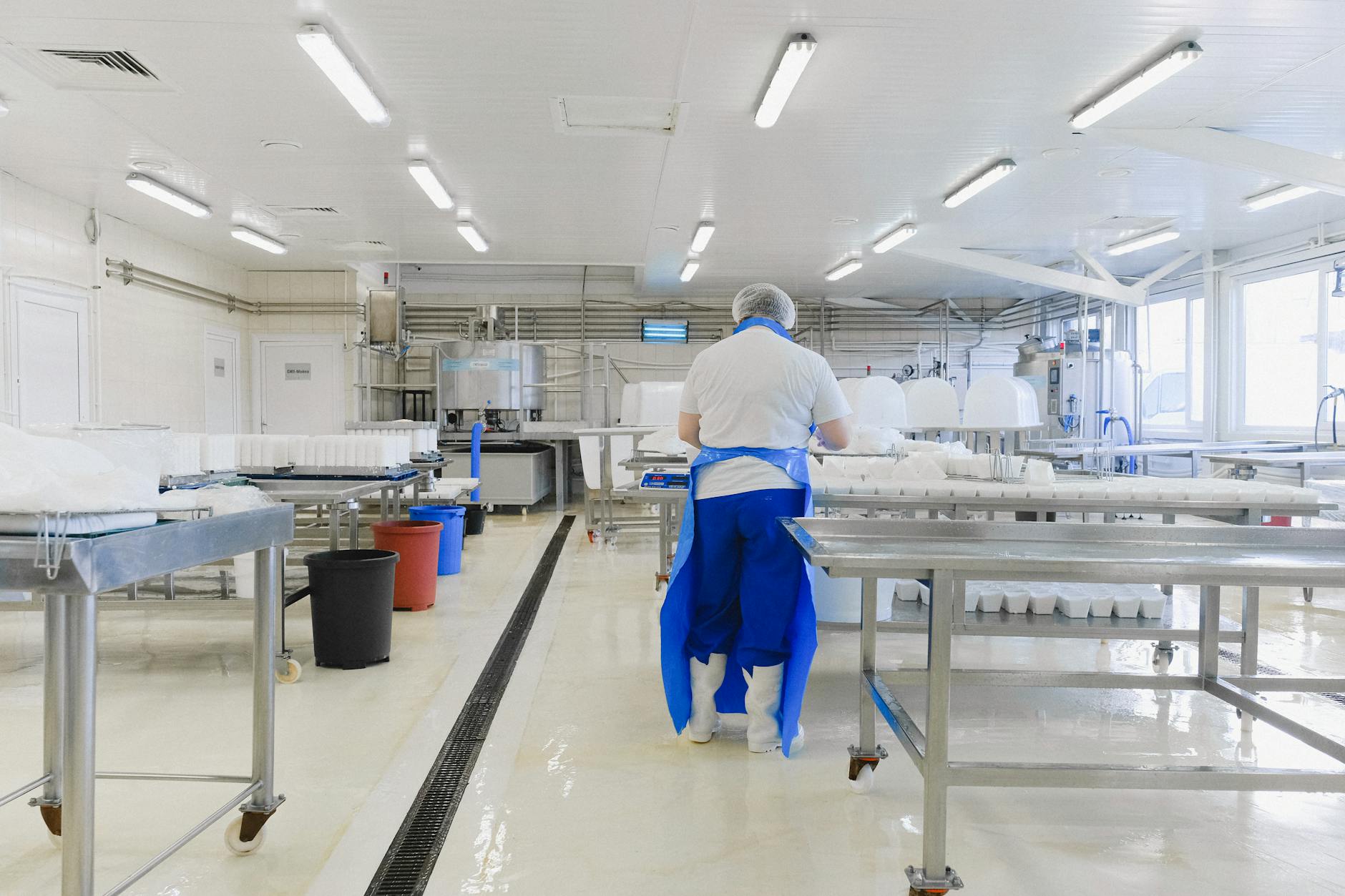
The base material determines melting behavior, active release rate, and patient tolerance. Your CMO’s formulation team should guide base selection based on your active ingredients, target indication, and required storage conditions.
| Base Type | Description | Common Applications |
|---|---|---|
| Cocoa Butter (Theobroma Oil) | Natural; melts at body temperature (34–37°C) | Traditional pharmaceutical, natural wellness products |
| Polyethylene Glycol (PEG) | Water-soluble; dissolves rather than melts; more stable in warm climates | OTC medications, actives sensitive to heat |
| Hydrogenated Vegetable Oil | Semi-synthetic; consistent melting point; clean-label positioning | Vaginal suppositories, natural and clean-label products |
| Glycerinated Gelatin | Water-miscible; dissolves on contact with mucous membranes | Vaginal applications, moisture-activated formulas |
| Witepsol and Hard Fat Blends | Highly consistent melting characteristics; pharmaceutical grade | Precision pharmaceutical applications, OTC drugs |
The Suppository Manufacturing Process: Step by Step
Understanding how suppositories are manufactured helps brand owners set accurate timelines and ask the right questions during CMO evaluation.
Step 1: Formulation Development
Your CMO’s R&D team works with your specifications to select the appropriate base, active ingredients, excipients, and release profile. Stability testing protocols are established at this stage. The formulation team evaluates active ingredient compatibility with the base, dissolution and release kinetics, and any pH sensitivity considerations.
Step 2: Prototype and Pilot Batch
A small-scale pilot batch validates the formulation before full commercial production. This stage verifies melting point, dissolution characteristics, and mass uniformity. Any adjustments to the formula are made before advancing to scale-up.
Step 3: Regulatory and Compliance Review
Depending on your product category — OTC drug, dietary supplement, or compounded preparation — your CMO ensures manufacturing aligns with applicable FDA regulations and current Good Manufacturing Practices (cGMP). Regulatory classification determines which 21 CFR part governs production.
Step 4: Full Commercial Production
The validated formula is scaled to your required production volume. Modern suppository manufacturing uses automated fill-and-seal equipment in controlled environments, ensuring consistent weight uniformity across the batch.
Step 5: Quality Control Testing
Each batch undergoes microbial testing, uniformity of mass verification, melting range testing, and content uniformity testing per applicable USP standards. A Certificate of Analysis (COA) is issued for every commercial batch.
Step 6: Packaging and Labeling
Suppositories are packaged in foil blister strips or individual wrappers. Labeling is completed in compliance with FDA 21 CFR Part 111 requirements for dietary supplements or 21 CFR Part 211 for OTC drug products.
Regulatory Requirements for U.S. Suppository Manufacturing
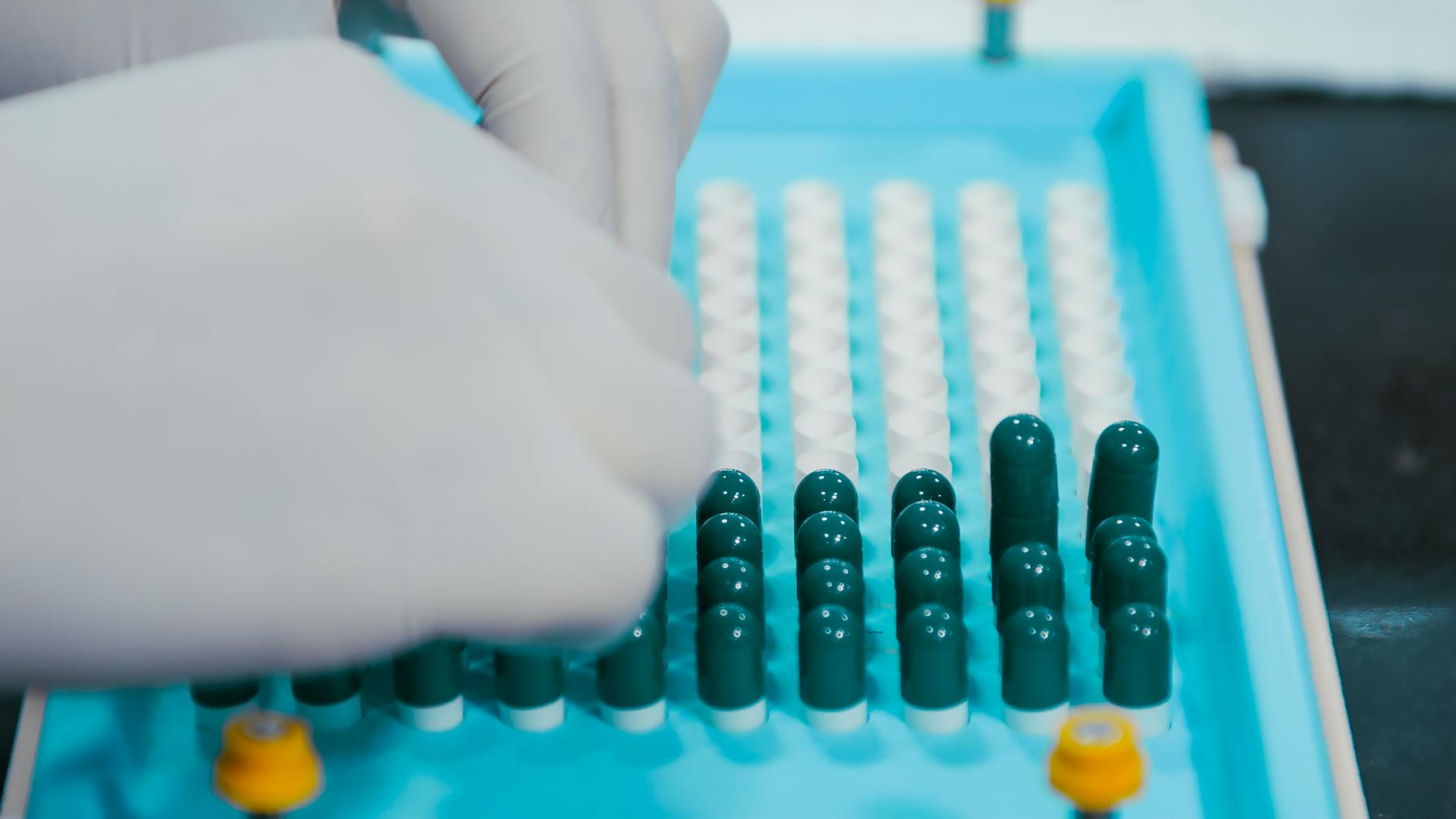
Regulatory classification of your suppository product determines the level of manufacturing oversight required. It is critical to establish this classification early in your product development process, as it affects every aspect of manufacturing, labeling, and claims.
- OTC Drug Suppositories (e.g., glycerin laxatives, hemorrhoid treatments): Must comply with FDA 21 CFR Part 211, the cGMP standard for finished pharmaceuticals.
- Dietary Supplement Suppositories (e.g., nutraceutical actives, botanical formulas): Governed by FDA 21 CFR Part 111, the cGMP standard for dietary supplements.
- Vaginal Wellness Products (e.g., probiotic suppositories, coconut oil formulas without drug claims): Classification depends on label claims — consult a regulatory specialist.
- CBD Suppositories: Currently regulated at the state level. The FDA has not approved ingestible or drug CBD suppositories. Classification requires legal review before manufacturing commences.
Your U.S. contract manufacturer should be FDA-registered and operating under current Good Manufacturing Practices. Request their most recent third-party GMP audit report during your evaluation process.
What to Look for in a Suppository Contract Manufacturer
Not all contract manufacturers are equipped for suppository production. The specialized equipment, controlled environments, and formulation expertise required make suppository manufacturing a distinct capability subset within the CMO industry.
Essential Qualifications
- FDA-registered manufacturing facility
- cGMP certified by a recognized third-party auditor (not just self-declared “compliant”)
- Dedicated suppository manufacturing equipment, not shared with incompatible dosage forms
- Experience with your specific suppository type (rectal, vaginal, OTC drug versus supplement)
- In-house analytical testing laboratory capable of microbial, content uniformity, and dissolution testing
- Certificate of Analysis issued for every commercial batch
Questions to Ask During CMO Evaluation
- What suppository bases do you work with, and can you support custom base development?
- What is your minimum order quantity for suppository production?
- Do you have experience with temperature-sensitive or pH-sensitive actives?
- What is your standard lead time from formulation approval to finished goods?
- Are you equipped for Halal, Kosher, or organic-certified suppository manufacturing?
- Can you handle international regulatory requirements for export to the EU, Australia (TGA), or Canada (Health Canada)?
Minimum Order Quantities and Production Timelines

MOQs and timelines vary by CMO, suppository type, and whether formulation development is required. Understanding these parameters early prevents misaligned launch expectations.
- Pilot and development batches: Typically 5,000–10,000 units for formulation validation purposes
- Commercial minimum order quantity: Generally 25,000–100,000+ units depending on mold configuration and packaging format
- Formulation-to-launch timeline: 3–6 months for new formulation development; 6–12 weeks for existing or validated stock formulas
How Atrium Scientific Group Supports Suppository Manufacturing
Atrium Scientific Group is a USA-based contract manufacturer offering suppository development and production for dietary supplement, wellness, and specialty health brands. Our cGMP facility supports both rectal and vaginal suppository formats with custom formulation development capabilities.
Whether you’re launching a CBD wellness suppository, a probiotic vaginal product, or a nutraceutical rectal formula, our formulation and manufacturing team can guide you from concept through compliance to commercial production. Contact our formulation team to discuss your project.
Frequently Asked Questions
What is the minimum order quantity for suppository contract manufacturing?
Minimum order quantities vary by manufacturer and suppository type. Most U.S. contract manufacturers require between 25,000 and 100,000 units for commercial production runs, with smaller pilot batches available during formulation development.
How long does suppository manufacturing take?
From formulation approval to finished goods, typical timelines range from 6–12 weeks for existing or validated formulas and 3–6 months for new formulation development requiring stability testing and pilot batches.
Are suppositories considered dietary supplements or drugs by the FDA?
This depends entirely on the active ingredients and label claims. Suppositories with drug claims are regulated as OTC drugs under 21 CFR Part 211. Those containing supplement actives with structure/function claims may qualify as dietary supplements under 21 CFR Part 111. A regulatory consultant should be engaged to confirm classification for your specific product before manufacturing begins.
Can suppositories be manufactured Halal or Kosher certified?
Yes. Contract manufacturers with active Halal or Kosher certification can produce suppositories using bases and excipients that meet certification requirements. This is increasingly important for brands exporting to Malaysia, the Middle East, and other regions where certification is required for market access.
What is the difference between a cGMP-certified and cGMP-compliant manufacturer?
“cGMP-compliant” means the facility claims to follow GMP guidelines, typically through self-assessment. “cGMP-certified” means a qualified third-party auditor — such as NSF International or UL — has verified this compliance through a documented on-site inspection. Certification is the substantially higher standard and should be required for any commercial manufacturing partner.
Conclusion
Suppository manufacturing requires a contract manufacturer with specialized equipment, deep formulation expertise across multiple base systems, and rigorous quality systems appropriate to your regulatory classification. As one of the few U.S.-based manufacturers with dedicated suppository capabilities spanning both dietary supplement and specialty formulation categories, Atrium Scientific Group offers the compliance infrastructure, formulation expertise, and production flexibility to bring your product to market efficiently and in compliance with applicable regulations.
Ready to explore suppository contract manufacturing? Contact our team to discuss your project requirements.
Building a supplement brand? Atrium Scientific Group provides end-to-end contract manufacturing services for supplement brands — from formulation R&D to commercial production. Request a quote to get started.
Page last updated: April 18, 2026
For more context, see our guide on suppository contract manufacturing.
For more context, see our guide on vaginal suppository private label.