Teeth Whitening Strip Manufacturing: How Private Label Brands Are Built
What Are Teeth Whitening Strips — and How Are They Made?
Teeth whitening strips are one of the most recognizable products in oral care retail — thin, flexible films coated with a whitening agent that adhere to the tooth surface for a set contact time. What most brand owners don’t realize is that whitening strips are, at their core, oral film technology. The same casting, coating, and precision-dosing capabilities used to manufacture oral dissolving films (ODF) for supplements are directly applicable to whitening strip production. This overlap creates a significant strategic opportunity for brands entering the oral care space through a manufacturer already experienced in oral film technology.
This guide walks through how whitening strips work, the regulatory landscape in the USA, active ingredient options, manufacturing process, MOQ expectations, and how to select a contract manufacturer capable of producing private label whitening strips at commercial scale.
How Teeth Whitening Strips Work: The Chemistry
Whitening strips work through oxidation. A whitening agent — most commonly a peroxide compound — contacts the enamel and dentin, breaking down chromogen molecules responsible for tooth discoloration. The oxidation process penetrates the enamel’s porous structure, targeting both extrinsic stains (surface discoloration from coffee, tea, wine, tobacco) and, with sufficient contact time and concentration, intrinsic staining within the tooth structure.
The strip itself serves two functions: it acts as both the delivery vehicle for the whitening agent and a physical barrier that holds the active ingredient in direct contact with the tooth surface for the duration of treatment — typically 30 minutes to two hours depending on formulation. Strip thickness, adhesion properties, and the polymer matrix used to carry the whitening agent all significantly affect performance and consumer experience.
Active Ingredient Options: Peroxide, PAP, and Alternatives
The choice of whitening active is the most consequential formulation decision for a whitening strip brand — both for efficacy and regulatory classification.
Hydrogen Peroxide (H₂O₂)
The gold standard in clinical and OTC whitening. Hydrogen peroxide concentrations in OTC consumer products typically range from 3% to 14%, with most mass-market strips in the 5–10% range. Hydrogen peroxide is highly effective, fast-acting, and has decades of safety data. At concentrations approved for OTC use, hydrogen peroxide whitening strips are classified as OTC drug products by the FDA under 21 CFR Part 310 and require compliance with the OTC drug monograph framework.
Carbamide Peroxide
Carbamide peroxide breaks down into hydrogen peroxide and urea upon contact with saliva. Commonly used in professional take-home bleaching trays, it is less frequently used in strip format due to slower breakdown kinetics. Products using carbamide peroxide are also classified as OTC drugs at concentrations relevant for whitening efficacy.
PAP (Phthalimido Peroxy Caproic Acid)
PAP is the primary peroxide-free whitening alternative gaining market traction. It operates through a similar oxidative mechanism as hydrogen peroxide but generates no reactive oxygen radicals, resulting in significantly reduced tooth sensitivity — a major consumer pain point with peroxide-based strips. Products using PAP as the sole whitening active are generally classified as cosmetics rather than OTC drugs, which simplifies the regulatory pathway substantially. PAP is used by several premium whitening brands and is increasingly available to private label manufacturers.
Activated Charcoal and “Natural” Alternatives
Activated charcoal is primarily an abrasive — it can remove surface stains mechanically but does not bleach or oxidize staining compounds. The FDA has expressed concern about activated charcoal in oral care products, and charcoal strips do not produce clinically meaningful whitening equivalent to peroxide or PAP. From a regulatory standpoint, charcoal-based strips are cosmetics, but making whitening claims without adequate substantiation carries FTC enforcement risk. Brands considering charcoal-based strips should work with counsel on claim language.
FDA Regulatory Classification: OTC Drug vs. Cosmetic
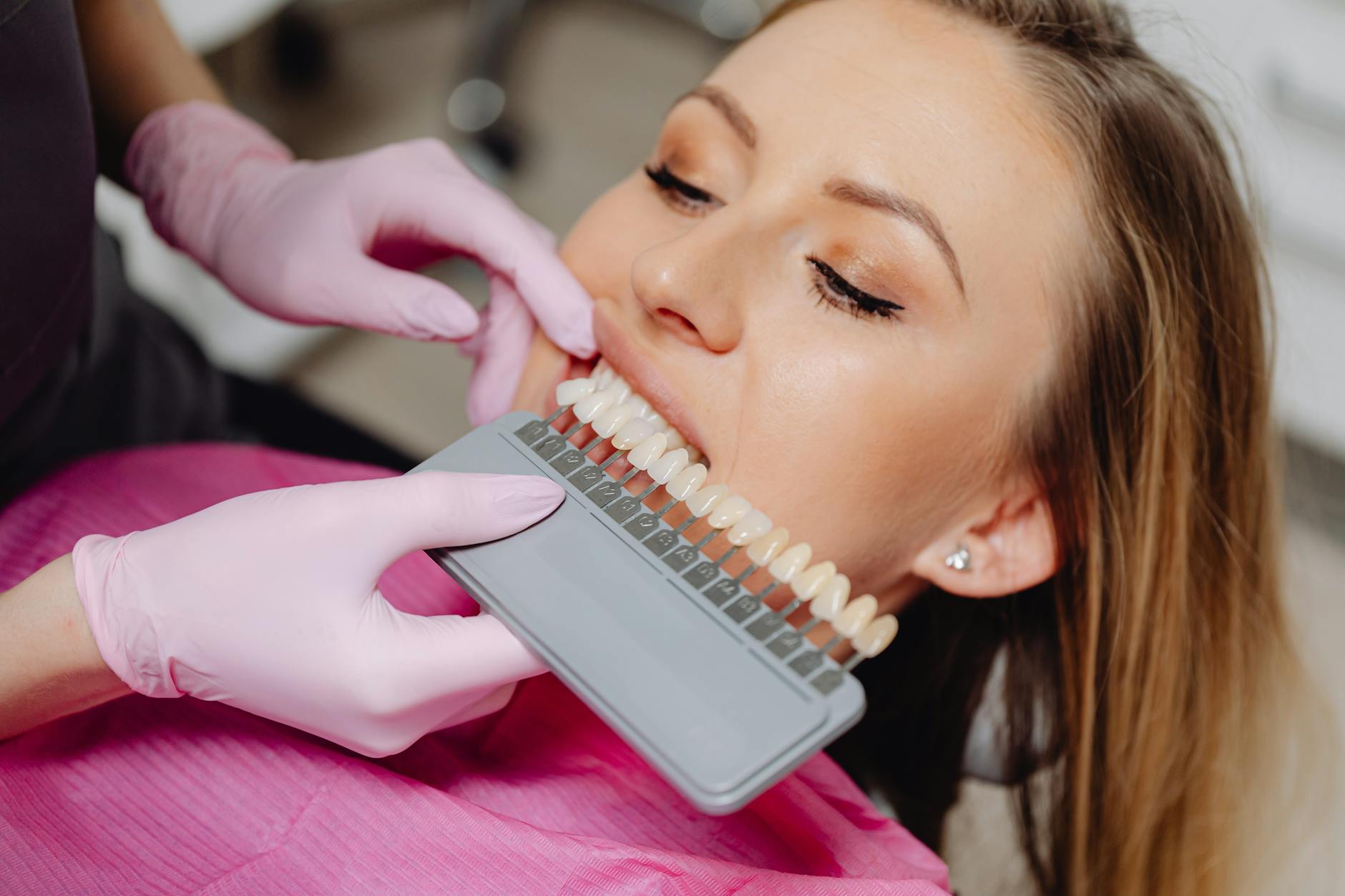
This distinction is the most important regulatory decision a whitening strip brand faces:
| Active Ingredient | FDA Classification | Pathway |
|---|---|---|
| Hydrogen peroxide (≥3%) | Cosmetic | FDCA cosmetic regulations, MoCRA 2022 |
| Carbamide peroxide | Cosmetic | FDCA cosmetic regulations, MoCRA 2022 |
| PAP (peroxide-free) | Cosmetic | FDCA cosmetic regulations, MoCRA 2022 |
| Activated charcoal | Cosmetic | FDCA cosmetic regulations, MoCRA 2022 |
Products classified as cosmetics follow FDCA cosmetic regulations and, as of 2024, are subject to MoCRA (Modernization of Cosmetics Regulation Act) requirements including facility registration, product listing, adverse event reporting, and safety substantiation. Cosmetic GMP (ISO 22716 or FDA 21 CFR 700-740) applies.
Most first-time whitening strip brand owners opt for PAP-based formulations to launch under the cosmetic pathway, then consider peroxide-based extensions as they scale. This is a commercially sound strategy that reduces regulatory complexity at launch.
The ODF Connection: Why Oral Film Manufacturers Excel at Whitening Strips
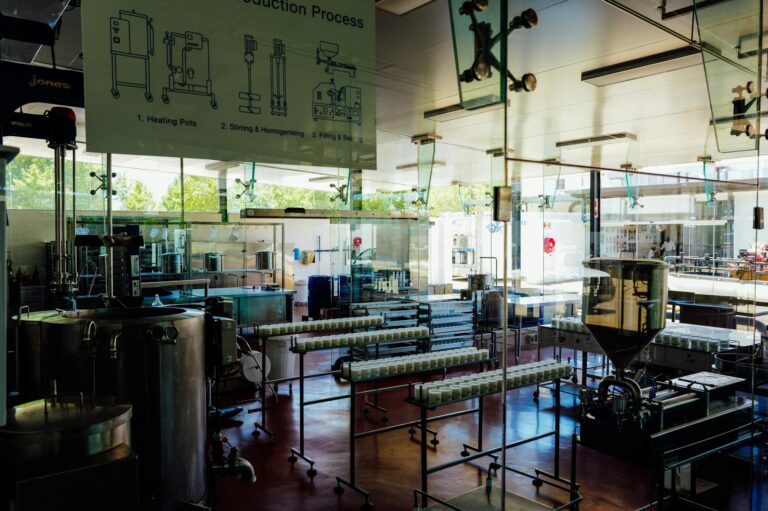
Teeth whitening strips are manufactured using the same fundamental technology as oral dissolving films and sublingual supplement strips — precision thin-film casting. The production process involves:
- Polymer matrix preparation: A film-forming polymer (commonly hydroxypropyl methylcellulose, polyethylene oxide, or similar hydrophilic polymers) is dissolved in a solvent or water base along with the active whitening ingredient, plasticizers, humectants, and adhesion modifiers.
- Casting: The polymer solution is cast onto a release liner at a controlled, uniform thickness — typically 50–200 microns for whitening strips. Precision in this step is critical; active ingredient concentration per unit area must be consistent across the entire production run.
- Drying: The cast film passes through a controlled-temperature drying tunnel to remove solvent and reduce moisture to target levels. Drying parameters directly affect strip flexibility, adhesion, and active ingredient stability.
- Slitting and die-cutting: The dried film is slit and cut to the precise dimensions required for upper and lower arch strips (approximately 65mm × 15mm for a standard arch strip, with variations for different tooth coverage).
- Individual pouch packaging: Each strip or strip pair is sealed in a moisture-barrier foil pouch. Whitening strips are extremely moisture-sensitive — any moisture ingress begins activating the peroxide chemistry prematurely and reduces shelf life dramatically.
Manufacturers with existing ODF infrastructure — precision casting lines, clean rooms, thin-film drying equipment — can produce whitening strips without capital investment in entirely new equipment categories. This is why specialty oral film manufacturers like Atrium Scientific are particularly well-positioned to manufacture whitening strips alongside supplement ODF products.
Private Label vs. Custom Formulation
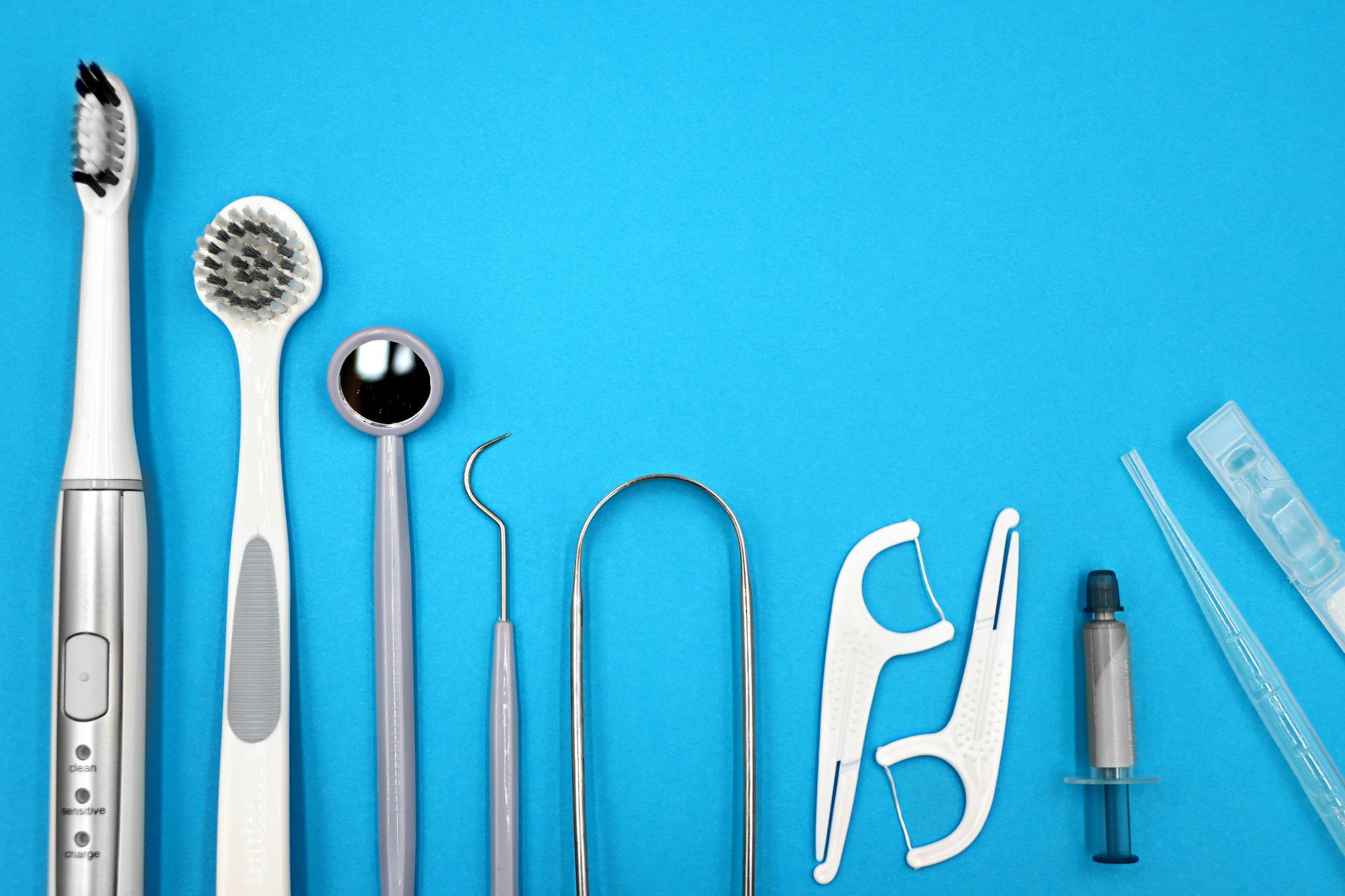
Brand owners have two paths to market:
Private Label (White Label): The manufacturer has an existing, validated whitening strip formulation that the brand purchases with their own label applied. This is the faster and lower-cost path — typically 6–10 weeks from contract to first shipment for an established formulation. MOQs for private label whitening strips typically start at 5,000–10,000 strip pairs (covering 2,500–5,000 full-arch treatment sets). Private label is appropriate for brands wanting to enter the market quickly and test consumer demand before investing in custom development.
Custom Formulation: The brand works with the manufacturer’s formulation team to develop a proprietary strip formula — custom active concentration, specific polymer system, unique flavor or sensory experience, specific adhesion profile. Custom development adds 3–6 months to the timeline and requires higher minimum development fees, but results in a defensible, brand-owned formula. Minimum order quantities for custom formulations are typically 25,000–50,000 strip pairs or higher. Custom development makes sense for brands building a premium, differentiated positioning in a competitive market.
Market Overview: The Teeth Whitening Opportunity
The global teeth whitening market was valued at approximately $7.4 billion in 2024 and is projected to exceed $10 billion by 2030, growing at a CAGR of ~5.5%. Whitening strips represent the largest OTC segment of this market, driven by:
- Increasing consumer demand for at-home aesthetic dental care
- The “camera-ready” culture driven by video calls and social media
- Premiumization of oral care (from a commodity to a beauty/wellness category)
- Growing consumer preference for sensitivity-free alternatives (PAP market share growing rapidly)
- E-commerce enabling DTC whitening brands to compete with established mass-market players
The key competitive differentiation points for emerging whitening strip brands are: sensitivity-free formulation (PAP), premium ingredient story, packaging design, and efficacy claims backed by clinical data.
Key Formulation Specifications to Discuss with Your CMO
When evaluating contract manufacturers for whitening strip production, these are the specification areas to clarify:
- Active ingredient and concentration: PAP vs. peroxide, and at what percentage
- Polymer system: HPMC, PEO, PVA, or proprietary blend — affects texture, adhesion, and dissolution
- Glycerin/humectant content: Affects strip flexibility and in-mouth feel
- Adhesion profile: How well the strip stays on teeth during treatment without slipping — critical for consumer experience
- Flavoring: Mint is standard; unflavored is a niche preference; proprietary flavors are possible at custom MOQs
- Film dimensions: Upper and lower arch coverage (full arch vs. half arch), thickness
- Packaging: Individual foil sachet, multi-strip retail box — typically 7-day, 14-day, or 28-day treatment kits
- Shelf life target: Typically 18–24 months for peroxide strips; PAP strips often more stable
Labeling Requirements: Drug vs. Cosmetic Differences
Whitening strip labeling requirements differ significantly depending on OTC drug vs. cosmetic classification:
OTC Drug (Peroxide-based strips) must include:
- Drug Facts panel (active ingredient, uses, warnings, directions, inactive ingredients)
- Net quantity of contents
- Name and address of manufacturer/distributor
- Expiration date
- Lot number
- FDA-mandated warnings (e.g., “Keep out of reach of children. If swallowed, contact a Poison Control Center.”)
Cosmetic (PAP-based strips) must include:
- Identity of product
- Net quantity
- Name and address of responsible party (now required under MoCRA)
- Ingredient list in INCI format in descending order of predominance
- Directions for safe use
- Any required warnings
- MoCRA 2024: facility registration number on label (proposed)
MOQ, Timelines, and Cost Expectations
Brand owners planning a whitening strip launch should budget for these ranges:
- Private label MOQ: 5,000–10,000 strip pairs; typical retail kit contains 28 strips (14-day treatment) = 300–700 retail units at minimum private label order
- Custom formula MOQ: 25,000–100,000 strip pairs depending on manufacturer
- Development timeline (custom): 4–8 months including formulation development, stability testing, and validation batches
- Private label timeline: 6–10 weeks from approved artwork to first shipment
- Per-unit cost: Varies significantly with active ingredient, packaging, and order quantity; PAP strips at commercial scale typically range from $0.30–$0.80 per strip pair; peroxide strips are often lower raw material cost but require more stringent QC
How to Evaluate a Whitening Strip Contract Manufacturer
Not all ODF manufacturers have experience with whitening strip production. When evaluating potential manufacturing partners, verify:
- Relevant film casting experience: Ask specifically about thin-film production for oral care applications, not just supplement ODF
- Active ingredient handling capability: For peroxide-based strips, the manufacturer needs experience handling oxidizing agents safely at production scale
- Regulatory pathway experience: For OTC drug strips — has the manufacturer produced OTC drug products before? Do they hold NDA/ANDA-related drug cGMP (21 CFR Part 211) certification? For cosmetic strips — are they MoCRA-compliant with facility registration?
- Stability testing infrastructure: Whitening strip stability (active concentration over time, adhesion properties) requires real-time and accelerated stability testing; confirm the CMO either performs this in-house or has a contracted stability lab
- Moisture barrier packaging capability: In-house foil pouch sealing with validated moisture barrier performance
- References and existing products: Ask whether they currently manufacture whitening strips or similar oral film products commercially
Atrium Scientific’s Oral Care and ODF Capabilities
Atrium Scientific Group manufactures oral dissolving films and oral care products including whitening strips from its U.S.-based cGMP-certified facility. Our experience across ODF supplement strips, oral care products, and specialty film formats positions us to support private label and custom whitening strip development for brands at every stage — from startup launches to established oral care companies looking for a domestic manufacturing partner.
If you’re evaluating whitening strip contract manufacturing, we invite you to discuss your project requirements with our formulation and business development teams. Whether you’re looking for a PAP-based cosmetic strip to launch quickly or a custom peroxide formulation with a proprietary active concentration, Atrium has the thin-film manufacturing infrastructure to support your product from development through commercial production.
Contact Atrium Scientific to discuss your whitening strip manufacturing project and request a private label catalog or custom formulation consultation.
Looking for a U.S. supplement contract manufacturer? Atrium Scientific Group is an FDA-registered, cGMP-certified CDMO based in Garden Grove, California. Request a quote or consultation.
Page last updated: April 18, 2026
For more context, see our guide on oral care contract manufacturing.
For more context, see our guide on oral dissolving film technology in oral care.