
Bitter Taste Masking Supplements: Formulation Strategies That Work
Compliance starts with palatability. When a supplement tastes bitter, users skip doses, abandon the product, and rarely re-order. For supplement brands, unmasked bitterness means higher churn, more returns, and a product that never builds a loyal customer base. For contract manufacturers, bitter taste masking is a formulation competency that separates expert partners from commodity fillers.
At Atrium Scientific, bitter blocking is engineered into our formulation process across every relevant dosage form: oral dissolving films (ODFs), sublingual strips, powder stick packs, and oral care products. This guide covers how we approach taste masking, which ingredients trigger bitterness problems, and what to look for when evaluating a contract manufacturing partner.
What Is Bitter Taste Masking in Supplements?
Bitter taste masking in supplements — also called bitter blocking — is the formulation technique of preventing bitter taste receptors (TAS2R family) from being activated by bitter active ingredients. Unlike flavor enhancement, true bitter blocking uses physical encapsulation, taste receptor antagonists such as adenosine monophosphate (AMP), or cyclodextrin complexation to prevent receptor activation entirely — not just to overlay bitterness with sweetness.
Bitter taste masking — also called bitter blocking — is the formulation science of neutralizing or suppressing the perception of bitter taste in a finished product. Unlike flavor enhancement, which adds pleasant notes on top of bitterness, true bitter blocking prevents bitter taste receptors (TAS2R receptors) on the tongue from being activated in the first place.
There are three primary approaches to bitter taste masking in dietary supplements:
- Physical encapsulation — coating or micro-encapsulating bitter actives so they dissolve after swallowing, bypassing taste receptors entirely
- Taste receptor antagonists — compounds such as adenosine monophosphate (AMP), sodium gluconate, and specific peptides that physically block TAS2R binding sites
- Flavor masking systems — combinations of sweeteners, cyclodextrins, and flavoring that compete with bitter signals at the receptor level or suppress them cognitively
The right approach depends on the active ingredient, the dosage form, the required release profile, and the consumer experience goals. Atrium’s formulation team evaluates all three strategies for every bitter-active formula before selecting a masking protocol.
Bitter Taste Masking by Dosage Form

Oral Dissolving Films and Sublingual Strips
Oral dissolving films present the most demanding taste masking challenge in the supplement industry. Unlike capsules or tablets — which physically bypass the tongue — ODFs and sublingual strips dissolve directly in the mouth. Every milligram of active ingredient has direct contact with taste receptors for 30–90 seconds.
Atrium’s ODF formulation platform uses a layered approach: taste receptor antagonists are incorporated into the film matrix, hydrophilic polymer systems (HPMC, pullulan) are selected for rapid dissolution that minimizes receptor contact time, and proprietary sweetener blends are balanced to provide sensory competition. The result is a film that delivers bitter actives — including zinc, B12, melatonin, and herbal extracts — with a clean, neutral-to-pleasant finish that supports daily compliance.
Powder Mixes and Stick Packs
Powder stick packs are consumed by dissolving in water and drinking immediately, giving the formulator more options: dissolution kinetics can be engineered so that bitter actives are partially encapsulated until swallowed. However, high-intensity flavoring alone is insufficient for strongly bitter compounds — brands that rely only on fruit flavors typically receive poor taste reviews for products containing zinc, magnesium, B-complex vitamins, or ashwagandha at clinically meaningful doses.
Atrium’s powder formulation team uses spray-dried encapsulated forms of the most problematic actives (zinc bisglycinate over zinc oxide, for example), combines them with a tiered sweetener system (stevia and monk fruit at complementary concentrations), and validates every formula with sensory panel testing before production. Our stick pack MOQ starts at 3,000 units — low enough to validate taste before scaling.
Oral Care Formulations
Oral care products — whitening strips, toothpaste, mouthwash — introduce additional complexity because actives such as hydrogen peroxide, carbamide peroxide, and certain antibacterial compounds have both bitter and astringent taste profiles. Whitening strips in particular must maintain film integrity and active concentration while eliminating the chemical taste that causes consumer abandonment mid-treatment.
Atrium formulates both HP (hydrogen peroxide) and PAP (phthalimidoperoxycaproic acid) whitening strips with integrated taste masking systems that neutralize peroxide oxidation byproducts on contact with saliva. Our oral care line also includes toothpaste and specialty oral health formulations where botanical actives — often intensely bitter — are paired with flavor masking systems developed in-house.
Common Bitter Ingredients in Supplements and How We Mask Them
Not all bitter ingredients are equal. Some actives trigger bitter receptors at very low concentrations; others are only problematic at high doses. Understanding the bitterness threshold of each ingredient is step one in Atrium’s formulation process.

B Vitamins and Minerals
Vitamin B12 (especially cyanocobalamin) and the B-complex group are notoriously bitter at effective doses. Zinc, magnesium glycinate, and certain iron forms also present significant taste challenges. For ODFs and sublingual strips, Atrium uses methylated B forms where possible — methylcobalamin has a meaningfully milder profile — combined with adenosine monophosphate (AMP) as a bitter receptor blocker. For powder mixes, chelated mineral forms (bisglycinate, glycinate) dramatically reduce bitterness compared to oxide or sulfate forms at equivalent elemental doses.
Herbal and Botanical Extracts
Ashwagandha, turmeric, berberine, green tea extract (EGCG), and valerian root are among the most frequently requested — and most bitter — herbal actives in the supplement market. Berberine’s intense bitterness is one of the most potent in pharmaceutical and nutraceutical applications. Atrium’s encapsulation technology creates a moisture-activated barrier around these extracts that delays dissolution until post-swallowing, providing effective taste masking without compromising the bioavailability of the standardized active compounds.
Amino Acids and Performance Compounds
Branched-chain amino acids (BCAAs), L-carnitine, creatine monohydrate, and beta-alanine all present taste challenges in powder applications. BCAAs in particular are strongly bitter and difficult to mask with flavoring alone. Atrium’s approach uses lipid-based microencapsulation for powder applications, which creates a coating that survives the mixing process but dissolves quickly in the stomach. Combined with targeted flavoring profiles — citrus and tropical notes that psychologically suppress bitterness perception — the result is a palatable product that maintains full amino acid bioavailability.
CBD, Hemp, and Novel Actives
CBD isolate has a mild earthy bitterness that is manageable with standard flavoring. Full-spectrum hemp extracts, however, contain terpenes and minor cannabinoids with significantly more complex and bitter taste profiles. Atrium’s ODF platform uses cyclodextrin complexation to reduce terpene-driven bitterness while preserving the entourage compounds that brands rely on for product differentiation and consumer appeal.
The Science of Bitter Taste: Why It Matters for Formulation
Humans have 25 different bitter taste receptor genes (TAS2R family) — far more than the receptors for sweet, salty, sour, or umami. This evolutionary sensitivity exists because most plant toxins are bitter; the brain interprets bitter taste as a poison signal. That instinctive response is why even mild bitterness causes hesitation and avoidance behavior, even in consumers who intellectually understand that the bitter ingredient is beneficial.
Effective bitter blocking must work at the receptor level, not just mask with sweetness. High-intensity sweeteners like stevia and sucralose reduce perceived bitterness through sensory competition — they occupy sweet receptors strongly enough that the overall sensory experience shifts — but they do not block TAS2R activation. The most effective masking systems combine receptor antagonists that physically prevent bitter compounds from binding TAS2R sites with sweetener blends that reduce the overall bitter signal intensity. This dual-mechanism approach is what Atrium’s formulation team implements for the most challenging bitter actives.
Cyclodextrins — cyclic oligosaccharides — are another key tool in Atrium’s bitter blocking arsenal. They form inclusion complexes with bitter molecules, encasing them in a molecular cage that prevents contact with taste receptors. The complex dissociates in the aqueous environment of the stomach, releasing the active for normal absorption. Cyclodextrin complexation is particularly effective for terpenes, alkaloids, and lipophilic bitter compounds common in botanical extracts.
Why Choose Atrium Scientific for Bitter Taste Masking Formulation
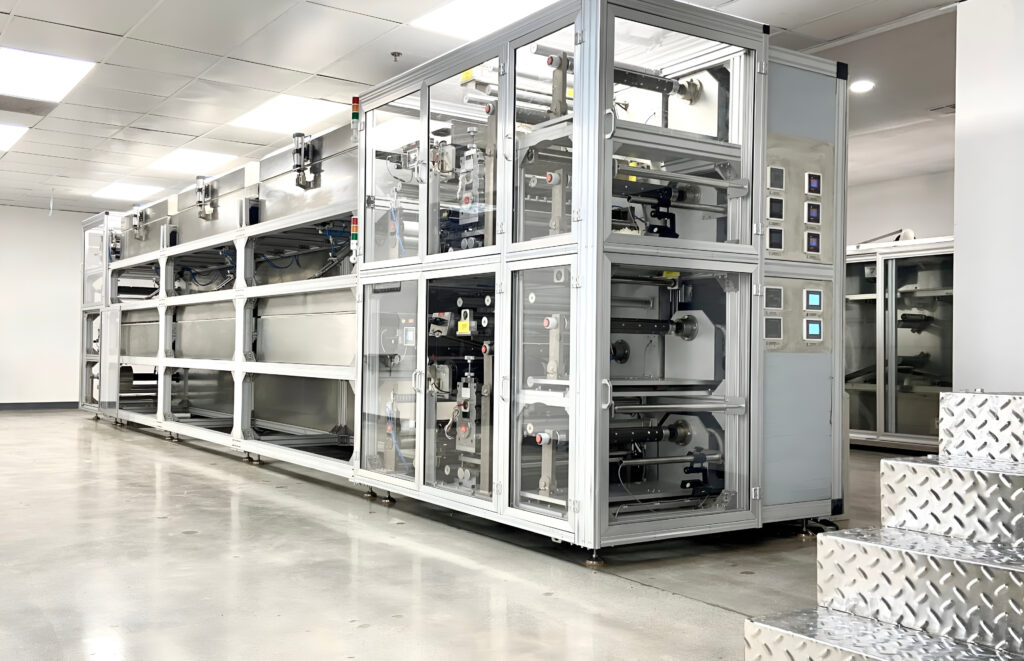
Atrium Scientific is a USA-based cGMP contract manufacturer with deep specialization in dosage forms where taste masking is non-negotiable: oral dissolving films, sublingual strips, powder stick packs, and oral care products. Bitter blocking formulation is a core competency, not an afterthought added to a capsule-first operation.
Our formulation team evaluates every bitter active ingredient against a taste masking toolkit that includes physical encapsulation, receptor antagonists, cyclodextrin complexation, sweetener optimization, and proprietary flavor systems. Every formula undergoes sensory panel validation before production approval — we do not ship products that fail taste standards regardless of how technically compliant they are with label claims.
For brands launching in the ODF or sublingual strip space, Atrium’s minimum order quantity for oral dissolving films starts at 50,000 individual strips (approximately 1,600 boxes of 30 strips). For powder and oral care brands, our R&D team works directly with brand owners to develop custom masking protocols for proprietary formulas.
All production occurs in our FDA-registered, cGMP-certified facility in the United States, with full batch records, certificates of analysis, and the documentation infrastructure that retail chains, Amazon, and major distributors require from their manufacturing partners.
For more context, see our guide on oral dissolving film contract manufacturing.
For more context, see our guide on oral dissolving film formulation.
Have a bitter ingredient challenge that’s blocking your product launch? Contact Atrium Scientific to discuss your formulation with our R&D team.
Frequently Asked Questions About Bitter Taste Masking in Supplements
What is bitter taste masking in supplements?
Bitter taste masking — also called bitter blocking — is the formulation process of preventing bitter taste receptors (TAS2R family) from being activated by bitter active ingredients. It uses physical encapsulation, taste receptor antagonists, cyclodextrin complexation, or sweetener optimization systems to make bitter ingredients palatable without affecting bioavailability or efficacy.
Which supplement ingredients are most difficult to taste mask?
Berberine is among the most intensely bitter actives in the supplement industry. Ashwagandha extract, zinc (especially oxide and sulfate forms), B-complex vitamins, BCAAs, green tea extract (EGCG), and full-spectrum hemp extracts also present significant taste masking challenges. Each requires a different masking strategy based on its specific bitter mechanism.
Can oral dissolving films effectively mask bitter tastes?
Yes — when properly formulated. ODFs and sublingual strips dissolve directly on the tongue, making taste masking critical. Effective ODF taste masking uses taste receptor antagonists in the film matrix, rapid-dissolving polymers to minimize receptor contact time, and balanced sweetener systems. Atrium Scientific’s ODF platform has successfully masked bitter actives including zinc, B12, melatonin, ashwagandha, and CBD.
Does taste masking affect bioavailability?
Properly executed taste masking does not reduce bioavailability. Physical encapsulation systems are designed to dissolve in the stomach’s acidic environment, releasing the active for normal absorption. Receptor antagonists and sweetener systems act only at the taste receptor level and do not interfere with gastrointestinal absorption.
What is the minimum order quantity for taste-masked ODFs at Atrium Scientific?
Atrium Scientific’s minimum order quantity for oral dissolving films, including taste-masked formulations, starts at 50,000 individual strips (approximately 1,600 boxes of 30 strips). Contact our team to discuss your specific project.
How does Atrium Scientific validate taste masking before production?
Every bitter-active formula at Atrium Scientific undergoes sensory panel evaluation before production approval. The panel tests for bitterness intensity, aftertaste duration, overall palatability, and mouthfeel. Formulas that fail taste standards are reformulated before any production run proceeds, regardless of other technical compliance.