

Vaginal Suppository Private Label: What Wellness Brands Need to Know
The vaginal wellness market is growing rapidly. From probiotic pH-balance products to boric acid suppositories, hormonal support formulations, and CBD-infused vaginal inserts, more wellness brands are adding vaginal suppositories to their product portfolio. If you are a brand owner exploring vaginal suppository private label manufacturing, this guide covers everything you need to know: formulation bases, regulatory classification, packaging, manufacturing requirements, and how to evaluate a qualified U.S. contract manufacturer.
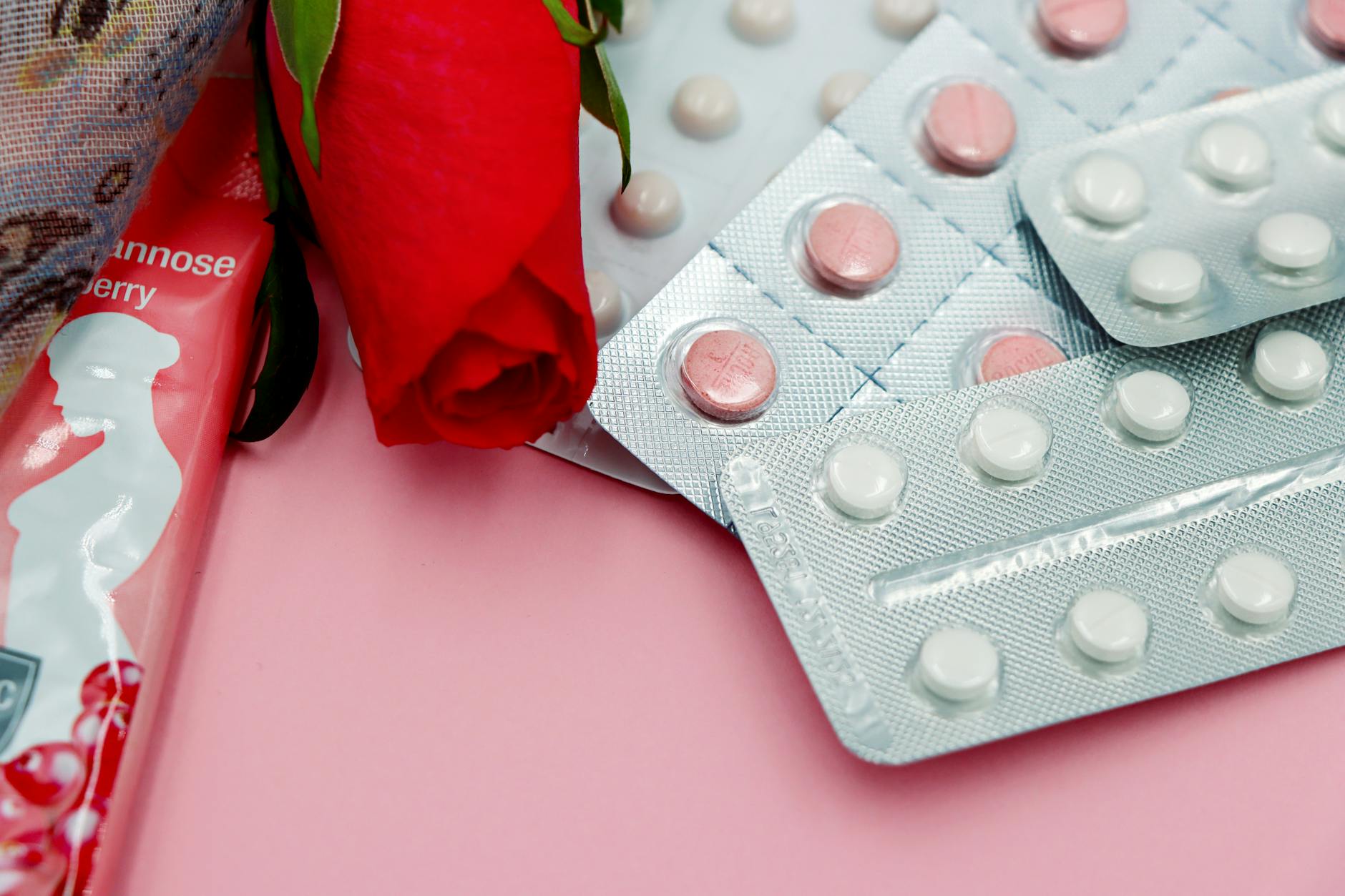
Why Vaginal Suppositories Are Gaining Traction in the Wellness Market
Consumer awareness of vaginal health has increased significantly over the past several years. Categories that were once considered niche — vaginal probiotics, pH-correction products, dryness and lubrication support, and antifungal formulations — are now mainstream. Major e-commerce platforms, DTC brands, and specialty health retailers are actively merchandising these products, and search volumes for vaginal suppository and boric acid suppository have grown substantially. Key product categories driving demand include:
- Probiotic suppositories — Lactobacillus-based formulations for bacterial vaginosis (BV) prevention, pH balance, and microbiome support
- Boric acid suppositories — widely used for recurring yeast infections and BV; a large and established retail category
- Hyaluronic acid and vitamin E suppositories — vaginal dryness and menopausal atrophy support
- CBD and hemp-derived vaginal suppositories — positioned for pelvic pain, menstrual discomfort, and sexual wellness
- Antifungal and antimicrobial formulations — often drug-classified; require additional regulatory consideration
- Hormonal support formulations — progesterone, DHEA (prasterone), and estrogen-based vaginal inserts
Cosmetic vs. Drug Classification: The Most Important Regulatory Decision
Before formulating a vaginal suppository, brand owners must determine how the FDA will classify the product — because that classification determines your compliance pathway, your permissible label claims, and your manufacturing requirements.
Cosmetic-Classified Vaginal Products
A vaginal suppository marketed for cosmetic or general wellness purposes — such as moisturization, pH comfort, or feminine hygiene — may be regulated as a cosmetic under FDA rules. The Modernization of Cosmetics Regulation Act of 2022 (MoCRA) has strengthened FDA oversight of cosmetics, including requirements for facility registration and adverse event reporting. Cosmetics do not require FDA pre-market approval, but must not carry drug claims.
OTC Drug-Classified Vaginal Products
If your product claims to treat, mitigate, cure, or prevent a disease or condition — such as treating yeast infections or bacterial vaginosis — it will likely be regulated as an OTC drug. OTC drugs must comply with FDA monograph requirements or follow a New Drug Application (NDA) pathway. Manufacturing must meet 21 CFR Part 211 (drug cGMP) requirements.
Dietary Supplement-Classified Vaginal Products
Some vaginal suppositories are formulated with dietary supplement ingredients — vitamins, probiotics, botanical extracts — and marketed for general wellness support rather than disease treatment. In this case, the product may be classified as a dietary supplement under DSHEA, subject to 21 CFR Part 111 cGMP requirements. Structure/function claims are permitted; disease claims are not. Boric acid suppositories and vaginal probiotic products typically follow this pathway. Claims drive classification — your regulatory attorney should review label copy before finalization.
Formulation Bases for Vaginal Suppositories
The suppository base determines melt behavior, release kinetics, compatibility with active ingredients, and patient comfort. Three common bases are used in vaginal suppository formulations.
Glycerinated Gelatin Base
Glycerinated gelatin — typically glycerin 70%, gelatin 14%, water 16% — is a slow-melting, water-dispersible base well suited for vaginal suppositories. It dissolves gradually with vaginal moisture rather than melting at body temperature, providing sustained local residence time. Compatible with water-soluble actives including boric acid, hyaluronic acid, probiotics, and botanical extracts. Glycerinated gelatin is one of the most common bases for retail vaginal suppository products.
Hydrogenated Vegetable Oil Base
Hydrogenated vegetable oil bases — such as Witepsol and Suppocire — are fatty, triglyceride-based materials that melt at or near body temperature (33 to 37 degrees Celsius). Commonly used for vaginal suppositories containing lipophilic actives such as progesterone, vitamin E, CBD, and botanical oils. Well tolerated and provide a smooth, non-irritating delivery vehicle.
PEG (Polyethylene Glycol) Base
PEG bases dissolve in aqueous secretions rather than melting, providing controlled release and good solubility for water-soluble actives. Less commonly used in modern wellness products due to potential mucosal irritation at higher molecular weights, but remain an option for specific formulation objectives.
Active Ingredients in Vaginal Wellness Suppositories

Boric Acid (600 mg)
The most widely sold vaginal suppository ingredient in the U.S. market. At 600 mg per suppository, boric acid has clinical evidence supporting its use in recurrent vulvovaginal candidiasis and bacterial vaginosis. Marketed as a dietary supplement with structure/function claims. Stability is excellent and formulation is straightforward in glycerinated gelatin vehicles.
Lactobacillus Strains
Vaginal probiotic suppositories use strains colonizing the vaginal microbiome: Lactobacillus rhamnosus, L. reuteri, L. crispatus, and L. acidophilus are the most studied. Stability is the primary challenge — live organism count must be maintained through manufacturing, storage, and shelf life. Freeze-dried lyophilized cultures in glycerinated gelatin or solid lipid-based matrices are the standard approach for maintaining viability through shelf life.
Hyaluronic Acid
High-molecular-weight hyaluronic acid is widely used in vaginal moisture support products. It provides hydration, supports mucosal integrity, and has well-established tolerability. Typical concentrations range from 5 to 30 mg per insert. Compatible with glycerinated gelatin bases. Marketing positioning targets menopause, perimenopause, and genitourinary syndrome of menopause (GSM).
Vitamin E (Tocopherol)
Vitamin E acetate or succinate is used for antioxidant support and mucosal tissue integrity. Often combined with hyaluronic acid in dryness and atrophy support formulations. Lipophilic; formulated in fatty bases. Well tolerated with a long track record of vaginal use in clinical settings.
CBD and Hemp-Derived Cannabinoids
CBD vaginal suppositories are marketed for pelvic pain, endometriosis discomfort, menstrual cramp relief, and sexual wellness. Cannabinoids are lipophilic and formulate well in fatty base suppositories. Third-party certificate of analysis (COA) documentation and sourcing from compliant U.S. hemp farms are required.
FDA Labeling Requirements
Vaginal suppository labels must comply with applicable FDA requirements. Key elements include:
- Product identity statement — Vaginal Suppository or Vaginal Insert on the principal display panel
- Net quantity declaration — number of suppositories per package
- Supplement Facts panel (if dietary supplement classification) — serving size, active ingredient identity, amounts per serving
- Directions for use — must clearly indicate vaginal route of administration only
- Warnings — including For vaginal use only and Not for oral use
- Manufacturer name and address
- Lot number and expiration date
- Storage conditions — suppositories often require refrigeration; label must specify temperature range
- Allergen statements if applicable — gelatin, soy-derived ingredients, or other common allergens
Packaging Requirements
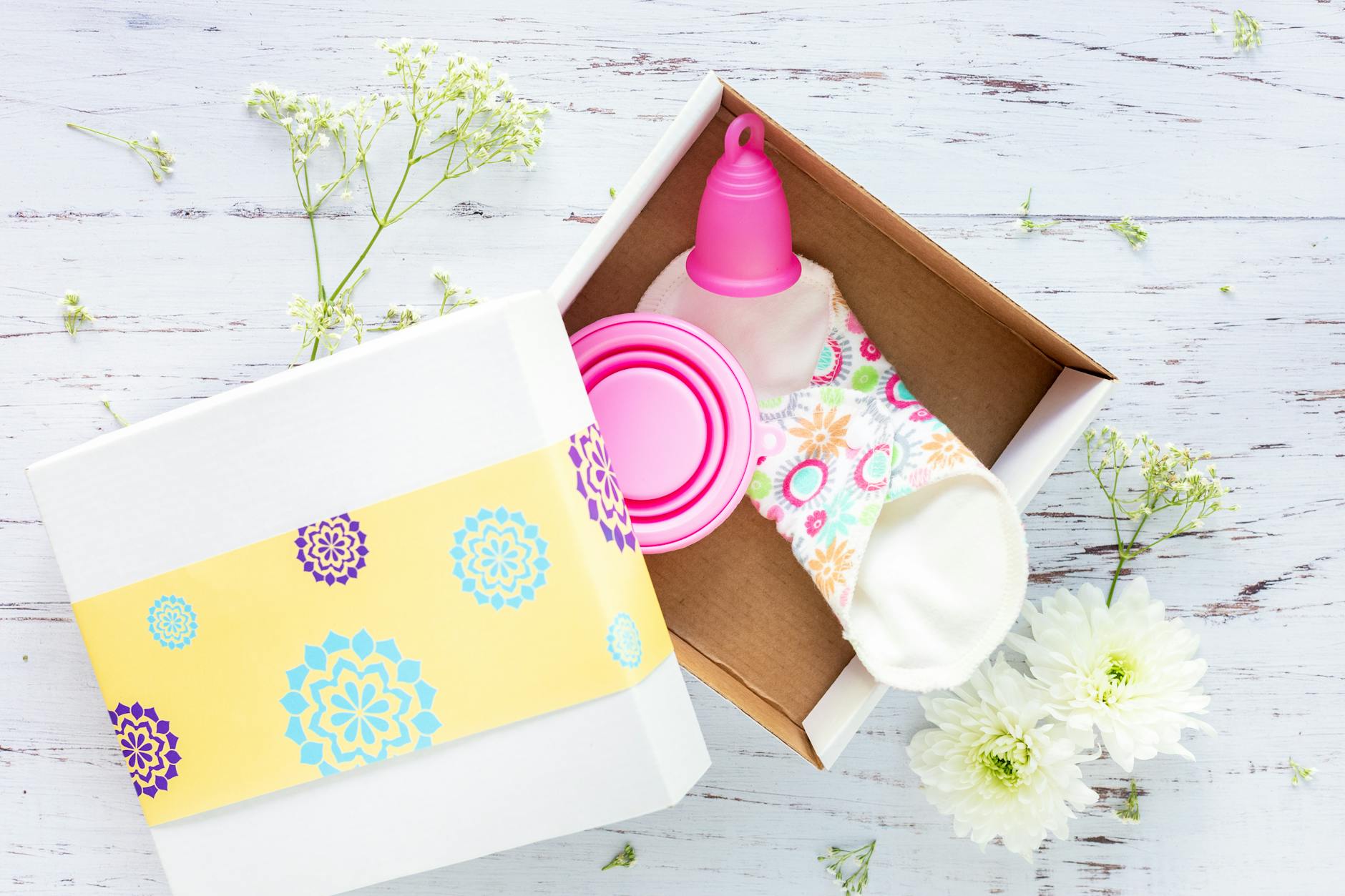
Standard packaging formats for vaginal suppositories include individual foil wraps, blister strips, and secondary carton packaging. Individual foil wraps are heat-sealed foil or foil-laminate wrappers — the most common retail format — providing moisture and light protection and meeting hygiene expectations for personal care products. Blister strips consist of thermoformed blister cavities sealed with foil, providing additional physical protection and supporting child-resistant formats. Common pack configurations for retail are 14, 28, or 30 count suppositories per carton.
Shelf Life and Stability Considerations
Stability testing is required to establish the labeled expiration date and verify that the product maintains potency, appearance, and microbiological integrity throughout its shelf life. Key stability considerations include probiotic viability testing (live organism counts must meet label claim through expiry), base integrity verification (no cracking, melting, or deformation at labeled storage conditions), active ingredient potency assay at 0, 3, 6, 12, and 24 months, microbial limits testing, and pH stability evaluation for pH-sensitive formulations.
A 24-month shelf life is standard for boric acid and vitamin E suppository formulations. Probiotic products may target 12 to 18 months depending on strain stability characteristics and storage requirements.
MOQ and Lead Times for Vaginal Suppository Private Label
Private Label Using Stock Formulas
Using an established stock formulation — such as a 600 mg boric acid suppository or a standard hyaluronic acid formula — allows significantly faster time to market. Production lead times from purchase order to finished goods typically range from 6 to 10 weeks for stock private label suppositories, because stability data and manufacturing processes are already validated.
Custom Formulation Development
Custom suppository development projects typically run 16 to 24 weeks from concept to first production run, including prototype formulation, pilot batch manufacturing, stability initiation, and process validation before commercial production begins.
Atrium Scientific Group’s minimum order quantity (MOQ) for vaginal suppository manufacturing is 3,000 units — one of the lowest MOQs available from a U.S.-based, FDA-registered suppository contract manufacturer. This low threshold makes Atrium an accessible partner for brands launching their first vaginal health product without the large volume commitments required by high-throughput CDMOs.
What to Verify When Choosing a Vaginal Suppository CMO
FDA Registration and cGMP Certification
The facility must be FDA-registered and operate under applicable cGMP standards — 21 CFR Part 111 for dietary supplement-classified products. Request the FDA registration number and ask when the facility last received an FDA inspection or third-party audit.
Suppository Manufacturing Experience
Suppository manufacturing requires specialized equipment including melting and mixing vessels capable of maintaining precise temperature control, mold-filling and cooling systems, and packaging lines configured for foil wrapping or blister filling. Ask how many suppository SKUs the manufacturer currently produces and request reference products or samples.
Gynecological pH Testing Capability
The normal vaginal pH is 3.8 to 4.5 in reproductive-age women. Some formulations are designed to support acidic pH; others must avoid alkaline excipients that could disrupt the vaginal microbiome. Verify that the contract manufacturer conducts pH testing and assesses compatibility of formulation excipients with vaginal tissue.
Probiotic Handling Capability
If your formulation includes live probiotic organisms, the manufacturer must be able to handle and process lyophilized cultures under controlled temperature and humidity conditions to preserve live organism viability. Verify that the facility has appropriate environmental controls and can validate probiotic CFU counts through the manufacturing process and across shelf life.
Clean-Label and Specialty Ingredient Capability
Many vaginal wellness brands require vegan bases (no animal-derived gelatin), non-GMO certified ingredients, organic actives, or allergen-free manufacturing environments. Verify that the CMO can source these ingredients and that the facility has appropriate allergen segregation and cleaning controls.
IP Protection for Custom Formulas
If you are developing a custom formula, ensure the contract manufacturing agreement includes clear intellectual property provisions specifying that the proprietary formula belongs to your brand and will not be shared with or reused for other clients.
Why Brands Choose Atrium Scientific for Vaginal Suppository Manufacturing
Atrium Scientific Group is an FDA-registered, cGMP-certified contract development and manufacturing organization (CDMO) located at 10871 Capital Ave, Garden Grove, CA 92843 in Orange County, California. Atrium manufactures Harmony suppositories — rectal and vaginal formats — for wellness brands in the United States, Australia, Canada, and other markets.
Key advantages for vaginal suppository private label manufacturing with Atrium Scientific:
- 3,000-unit MOQ — accessible for new product launches and test market productions without large minimum volume commitments
- In-house R&D team — formulation scientists with pharmaceutical and nutraceutical suppository development experience
- Multiple base options — glycerinated gelatin, hydrogenated vegetable oil, and custom base development for specialty formulations
- Custom formulation development — concept-to-commercialization services including pilot batches, stability studies, and process validation
- FDA-registered, cGMP facility — Orange County, California; eligible for third-party quality audit by brand clients
- International export support — documentation for Australian TGA GMP recognition and Health Canada compliance for Canadian market exports
Whether you are launching a boric acid suppository line, a vaginal probiotic product, or a novel CBD or botanical vaginal wellness formula, Atrium’s team can guide you through formulation development, regulatory positioning, and full-scale manufacturing.
Ready to launch a vaginal suppository product? Contact Atrium Scientific to discuss your formulation concept, request a quote, or schedule a consultation with our manufacturing team.
Page last updated: April 19, 2026
For more context, see our guide on suppository contract manufacturing.
For more context, see our guide on suppository contract manufacturing.