Fast Dissolving Oral Films: Technology, Polymers & Applications
Fast dissolving oral films are among the most innovative delivery formats in the dietary supplement and oral care industries today. Engineered to disintegrate in under 30 seconds on contact with saliva, fast dissolving oral films offer private label brands a differentiated, water-free, easy-to-administer product that stands out on retail shelves and resonates with modern consumers. At Atrium Scientific, our fast dissolving oral film technology platform is optimized for rapid disintegration, precision dosing, and scalable cGMP manufacturing.
Whether you’re formulating a melatonin sleep strip, a breath-freshening film, or a fast-acting botanical supplement, understanding the science behind fast dissolving oral films is essential to making informed decisions about your product’s delivery format, polymer system, and manufacturing partner.
What Are Fast Dissolving Oral Films?
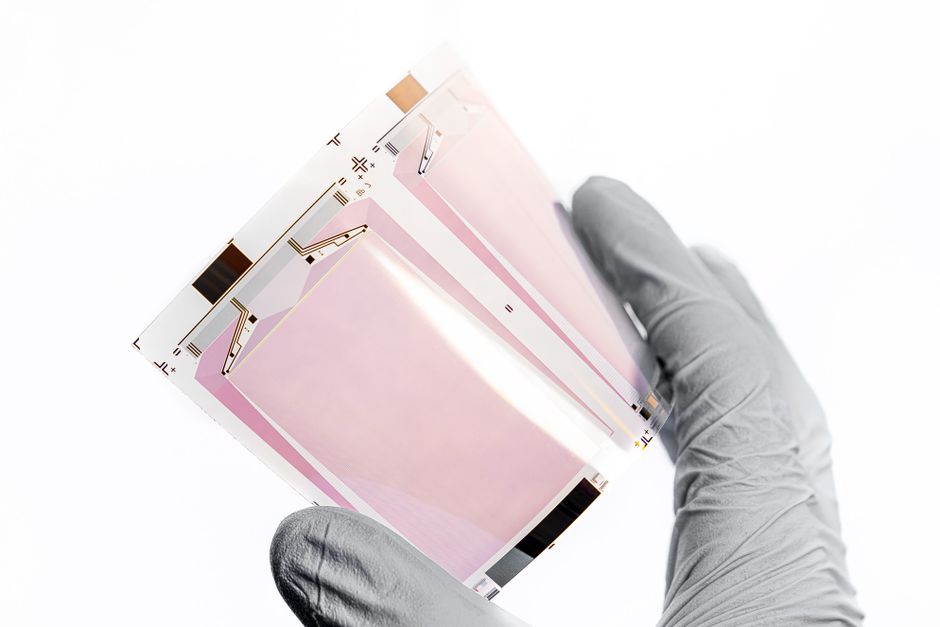
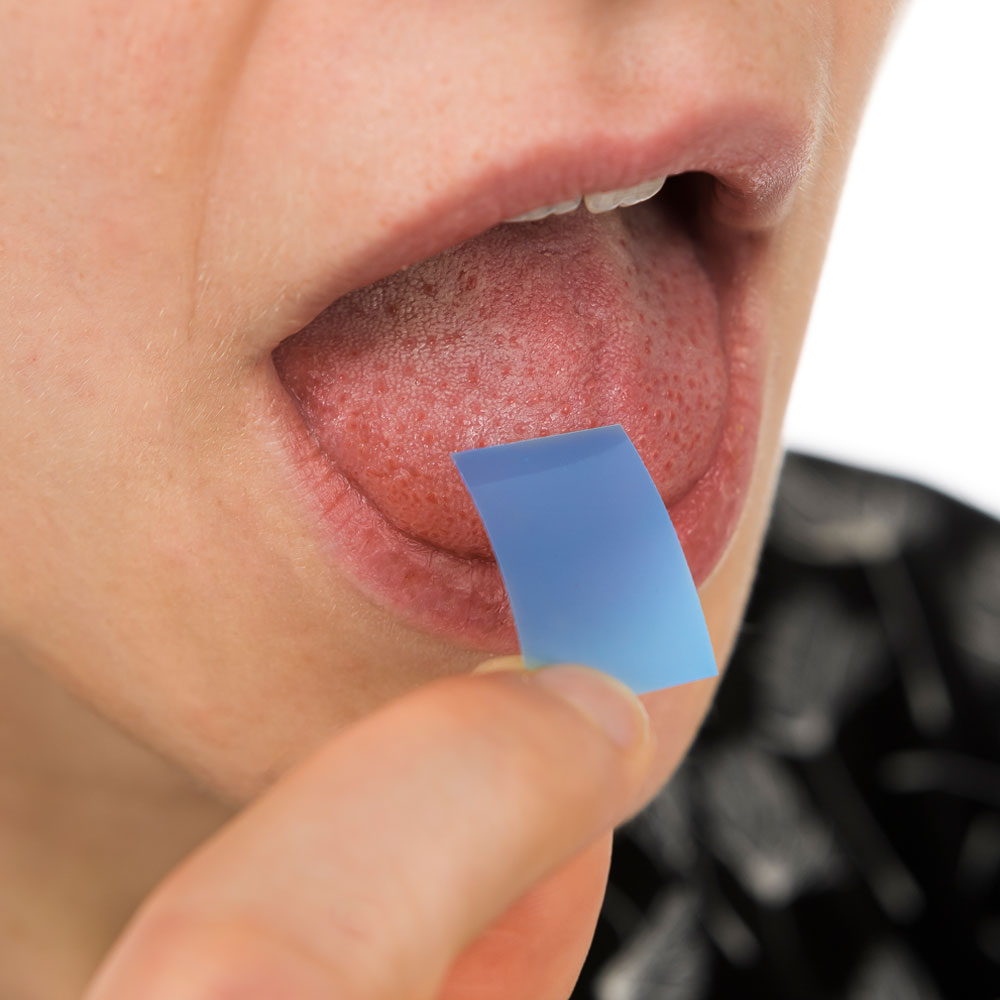
Fast dissolving oral films — also called oral thin films (OTFs) or rapid-dissolve strips — are thin, flexible polymer matrices loaded with active ingredients that dissolve rapidly when placed on or under the tongue. Unlike traditional tablets or capsules, they bypass the need for water and require no swallowing effort, making them ideal for consumers seeking convenience, discretion, and faster onset.
The defining characteristic of a fast dissolving film is its disintegration time: most formulations are engineered to dissolve within 15–30 seconds. This rapid dissolution is achieved through the selection of hydrophilic, water-soluble film-forming polymers and optimized film thickness — typically between 30 and 100 microns.
According to a comprehensive review published on PubMed Central, the global oral thin film market has grown substantially due to the format’s superior patient compliance, ease of administration, and the ability to deliver actives through the oral mucosa for faster absorption compared to conventional oral dosage forms.
The Polymer Systems That Enable Fast Dissolution
The choice of film-forming polymer is the most critical formulation decision in fast dissolving oral film development. The polymer determines dissolution rate, mechanical flexibility, moisture sensitivity, and compatibility with the active ingredient. Here are the primary polymer systems used in fast dissolving oral film manufacturing:
Hydroxypropyl Methylcellulose (HPMC)
HPMC is the workhorse of fast dissolving film formulations. A cellulose derivative with excellent film-forming properties, HPMC produces strong, flexible films with predictable dissolution characteristics. Low-viscosity grades (e.g., E5, E15) are preferred for fast dissolving applications. HPMC is GRAS-listed, widely accepted in dietary supplement and pharmaceutical manufacturing, and compatible with a broad range of actives.
Pullulan
Pullulan is a naturally fermented polysaccharide that has gained favor in premium supplement formulations for its clean-label profile and exceptionally rapid dissolution. Pullulan films dissolve in as little as 10–15 seconds, produce crystal-clear, glossy films, and are free from animal-derived ingredients — making them suitable for vegan formulations. Atrium Scientific’s ODF platform supports pullulan-based films for brands prioritizing label claims.
Polyvinyl Alcohol (PVA)
PVA produces films with excellent tensile strength and moisture barrier properties. While PVA films dissolve slightly more slowly than pullulan, they offer superior load-bearing capacity for higher concentrations of active ingredients and better resistance to humidity during storage. PVA is often used in combination with HPMC for balanced performance.
Maltodextrin and Starch Blends
Maltodextrin and modified starch are used as co-formers or plasticizers in fast dissolving film matrices. They improve film flexibility, reduce brittleness, and moderate dissolution rates. Starch blends are particularly cost-effective for high-volume applications like breath-freshening films and single-ingredient nutraceutical strips.
How Fast Dissolving Oral Films Are Manufactured
Atrium Scientific manufactures fast dissolving oral films using solvent casting, the industry-standard process for pharmaceutical-grade ODF production. The manufacturing process involves several critical stages:
Solvent Casting Method
In solvent casting, the film-forming polymer, active ingredients, plasticizers, taste-masking agents, and other excipients are dissolved or dispersed in an aqueous solvent system. This solution is then cast onto a release liner using precision coating equipment, spread to a uniform wet film thickness, and dried in a temperature-controlled oven to remove the solvent. The resulting dry film is then die-cut into individual dose units.
Critical parameters in solvent casting include: coating thickness uniformity (target ±5% across the web), drying temperature profile, solvent evaporation rate, and web tension. Atrium Scientific’s contract manufacturing services include full process development and scale-up support to ensure these parameters are optimized for each formulation.
Hot Melt Extrusion
Hot melt extrusion (HME) is an alternative manufacturing method used when aqueous processing is incompatible with the active ingredient. In HME, the polymer matrix is softened by heat and the active is incorporated under pressure via a twin-screw extruder. HME produces highly uniform films without solvent residues and is particularly suited for moisture-sensitive or temperature-stable actives.
Dissolution Time Standards and Quality Testing
Fast dissolving oral films for pharmaceutical and nutraceutical use are evaluated against established dissolution testing standards. The FDA’s dissolution testing guidance for immediate-release dosage forms provides the technical framework for disintegration and dissolution testing that applies to oral film products.
In addition to dissolution testing, each batch of fast dissolving oral films at Atrium Scientific undergoes:
- Content uniformity testing — confirms consistent active ingredient distribution across all dose units
- Tensile strength and elongation — measures film flexibility and resistance to breakage during handling
- Moisture content analysis — verifies residual solvent and moisture within specification
- Disintegration time testing — confirms the film dissolves within the specified window (typically ≤30 seconds)
- Taste evaluation — organoleptic assessment to confirm taste masking efficacy
- Stability testing — accelerated and real-time stability under ICH conditions
Applications of Fast Dissolving Oral Films
The rapid dissolution, compact format, and dosing precision of fast dissolving oral films make them suitable for a wide range of supplement and oral care applications:
Dietary Supplements and Nutraceuticals
Fast dissolving film strips have become a preferred delivery format for sleep supplements (melatonin, L-theanine), energy supplements (caffeine, B12), immunity actives (zinc, elderberry), and CBD/hemp-derived cannabinoids. The sublingual or buccal absorption pathway enables faster onset compared to swallowed formats, an important differentiator in sleep and mood supplement categories.
Oral Care Products
Breath-freshening films are one of the largest commercial applications of fast dissolving ODF technology. Menthol, peppermint oil, zinc gluconate, and cetylpyridinium chloride can be incorporated into ultra-thin fast dissolving films for on-the-go breath care. Atrium Scientific’s oral dissolving film technology for oral care covers whitening actives, antimicrobial agents, and flavor-forward formulations.
Consumer Wellness Products
Hangover recovery, beauty-from-within formulations, and vitamin supplement strips are emerging categories in the fast dissolving film space. The format’s portability, no-water requirement, and modern appearance make it particularly appealing to younger demographics and DTC brands.
Taste Masking in Fast Dissolving Films
Taste masking is one of the most technically demanding aspects of fast dissolving oral film formulation, because the active ingredient is released directly in the mouth before swallowing. Bitter, astringent, or metallic actives require effective masking strategies to ensure consumer acceptability.
Atrium Scientific employs several taste masking approaches in our ODF platform:
- Sweeteners — sucralose, stevia, or acesulfame potassium to counteract bitterness
- Flavor systems — mint, citrus, berry, and neutral profiles customized to the target consumer
- Cyclodextrin complexation — encapsulates bitter actives to reduce taste receptor interaction
- Ion exchange resins — binds ionic actives and releases them post-ingestion
- Polymer coating of active particles — microencapsulation before film incorporation
Packaging and Shelf Life Considerations
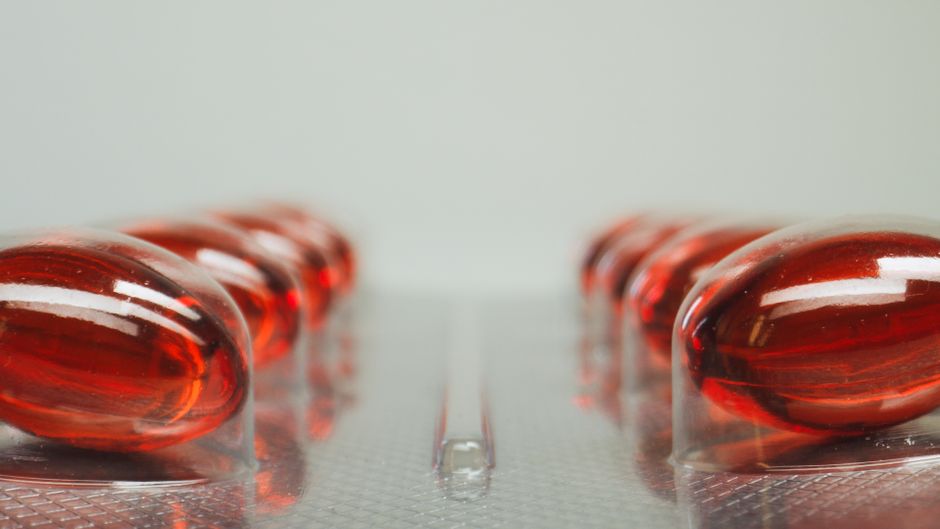
Because fast dissolving oral films are highly sensitive to moisture, packaging selection is critical to shelf-life performance. At Atrium Scientific, our ODF products are packaged in moisture-barrier pouches, heat-sealed foil sachets, or blister cards that maintain product integrity through the stated shelf life.
Standard shelf-life targets for fast dissolving oral films are 18–24 months when stored at ≤25°C and ≤60% relative humidity. Stability studies conducted under ICH Q1A conditions validate these claims prior to commercialization.
Why Choose Atrium Scientific for Fast Dissolving Oral Film Manufacturing
Atrium Scientific is an FDA-registered, cGMP-compliant contract manufacturer with a dedicated ODF technology platform engineered for private label supplement and oral care brands. Our capabilities include:
- Full-service formulation development from concept to commercial scale
- Multiple polymer system expertise (HPMC, pullulan, PVA, starch blends)
- Advanced taste masking technology for challenging actives
- Flexible MOQ with scalable batch sizes
- In-house QC testing including dissolution, content uniformity, and stability
- Certificate of Analysis (COA) and full regulatory documentation
- Private label and contract manufacturing for DTC, retail, and B2B brands
Explore how Atrium Scientific’s contract manufacturing services can bring your fast dissolving oral film concept to market. For a project consultation, contact our team today.
For a deep dive into slow-release film technology, see our guide to mucoadhesive buccal films. For a broader comparison of delivery formats, see our guide on ODF vs. capsules vs. tinctures for bioavailability.
Frequently Asked Questions
What is the typical disintegration time for fast dissolving oral films?
Fast dissolving oral films are engineered to disintegrate within 30 seconds of contact with saliva. Most commercial formulations achieve full dissolution in 15–30 seconds, though the exact time depends on the polymer system, film thickness, and active ingredient loading.
What polymers are used in fast dissolving oral film formulations?
The most common film-forming polymers include hydroxypropyl methylcellulose (HPMC), pullulan, polyvinyl alcohol (PVA), and maltodextrin blends. Each polymer contributes different dissolution rates, flexibility, and compatibility with active ingredients. Pullulan is particularly favored for its clean label and rapid dissolution profile.
Are fast dissolving oral films FDA compliant for supplement use?
Yes. When manufactured in an FDA-registered, cGMP-compliant facility under 21 CFR Part 111, fast dissolving oral films for dietary supplements are fully compliant. Each batch should be accompanied by a Certificate of Analysis (COA) confirming identity, potency, and dissolution testing results.
What active ingredients work best in fast dissolving oral films?
Fast dissolving films are best suited for highly soluble actives with low-dose requirements. Common applications include melatonin, CBD, caffeine, B-vitamins, breath-freshening agents (menthol, zinc), and fast-acting botanical extracts. High-dose or poorly soluble ingredients may require taste masking or alternative delivery formats.
What is the minimum order quantity for fast dissolving oral film manufacturing at Atrium Scientific?
Atrium Scientific offers flexible minimum order quantities for fast dissolving oral film manufacturing. MOQ varies by formulation complexity and packaging requirements. Contact our team at atriumsci.com/contact-us/ to discuss your specific project.
How are fast dissolving oral films packaged and stored?
Individual films are typically heat-sealed in foil or plastic pouches to protect against moisture, which can cause premature dissolution or stability issues. Packaging options include single-serve sachets, strip packs, and blister cards. Storage conditions typically specify a cool, dry environment below 77°F (25°C).