

White Label vs. Private Label Supplements: Which Model Is Right for Your Brand?
For entrepreneurs and established companies entering or expanding in the dietary supplement market, one of the first strategic decisions is choosing between white label vs. private label supplements. The two models represent fundamentally different approaches to product development, brand ownership, and competitive positioning — and choosing the wrong one for your stage of growth can cost time, money, and market opportunity.
This guide breaks down exactly how each model works, compares them across the dimensions that matter most to brand owners — cost, speed, customization, MOQ, and brand equity — and helps you determine which path is right for your business goals.
What Are White Label Supplements?
How White Label Manufacturing Works
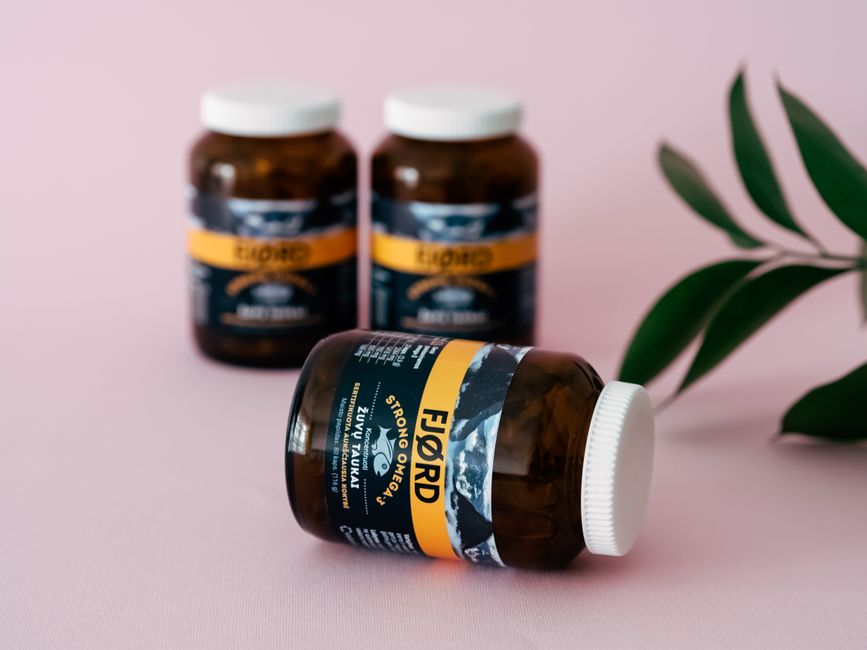
White label supplements are pre-formulated, pre-validated products that a manufacturer produces in large batches and makes available to multiple brands. As a white label customer, you purchase a finished formula — typically a capsule, tablet, powder, or gummy — provide your own label artwork, and resell the product under your brand name. The manufacturer owns the formula. You own the brand.
The white label model is fast: because formulation, ingredient sourcing, stability testing, and manufacturing processes are already complete, your go-to-market timeline is compressed. You may be able to have product in hand within weeks of placing an order.
Pros and Cons of White Label Supplements
- Pro: Lowest upfront investment — no formulation or stability testing costs
- Pro: Fastest time to market — formula and validation already complete
- Pro: Lower minimum order quantities in many cases
- Pro: Ideal for market testing before larger investment
- Con: Formula is not exclusive — competitors can sell the identical product under their brand
- Con: Limited or no customization of active ingredients, dosage, or format
- Con: No formula IP — formula ownership stays with the manufacturer
- Con: Weaker brand differentiation and pricing power long-term
What Is Private Label Supplement Manufacturing?
How Private Label Manufacturing Works
Private label supplements are formulated specifically for a single brand. As a private label client, you work with your contract manufacturer to define the formula — active ingredients, dosages, excipients, format, and flavor — through a custom development process. The resulting product is exclusively yours: no other brand can purchase it from the same manufacturer.
The private label development process involves formulation work, ingredient sourcing, manufacturing method validation, stability testing, and COA documentation. Per FDA dietary supplement regulations, private label manufacturers must comply with 21 CFR Part 111 cGMP standards — the same regulatory framework as white label, but applied to a formula you own.
Pros and Cons of Private Label Supplements
- Pro: Exclusive formula ownership — competitors cannot replicate your exact product
- Pro: Full customization of ingredients, dosages, format, and flavor
- Pro: Stronger brand differentiation and premium positioning
- Pro: Ability to protect proprietary blends with trademark or patent
- Pro: Higher long-term margin potential
- Con: Higher upfront development costs (formulation, stability, validation)
- Con: Longer time to market (typically 3–6 months)
- Con: Higher MOQs in many cases to justify development investment
White Label vs. Private Label Supplements: Side-by-Side Comparison
- Formula ownership: White label — manufacturer owns it | Private label — brand owner owns it
- Exclusivity: White label — shared with other brands | Private label — exclusive to your brand
- Customization: White label — minimal or none | Private label — full ingredient, dose, format control
- Time to market: White label — weeks | Private label — 3–6 months
- Upfront cost: White label — lower (no development fees) | Private label — higher (formulation, stability)
- MOQ: White label — often lower | Private label — varies by manufacturer and format
- Brand equity: White label — limited (commodity formula) | Private label — high (unique product)
- Regulatory ownership: Both require compliance with 21 CFR Part 111; brand owner is responsible for label accuracy in both cases
Which Model Fits Your Brand?
White Label Works Best When…
White label is a smart starting point for brands that need to move quickly and test market demand before committing to custom development. It works well for e-commerce brands adding a supplement category to an existing product line, influencers or content creators launching a first product with limited capital, and brands seeking to validate consumer demand for a category before investing in proprietary formulation.
Private Label Works Best When…
Private label is the right model for brands committed to long-term category leadership, those who want to differentiate on ingredient quality, those entering premium retail channels with rigorous supplier standards, and brands building a portfolio with a coherent scientific story. It is also the correct model if your brand’s identity is built on a unique formulation — a proprietary blend, a clinically substantiated dose, or a novel delivery format like an oral dissolving film.
Beyond Private Label: Custom Formulation

Some of the most successful supplement brands operate at a third level beyond standard private label: truly custom formulation, where the brand owner is involved in ingredient selection, clinical substantiation of dosing, proprietary blend design, and novel delivery format development. Atrium Scientific specializes in this level of product development — working with brands to create scientifically differentiated products that justify premium pricing.
Our custom supplement formulation capabilities include ingredient screening, stability-informed formula design, taste masking, ODF platform development, and full regulatory documentation. For brands ready to move beyond standard formulas, custom development offers the strongest competitive moat.
Regulatory Considerations for Both Models
Regardless of whether you choose white label or private label, your brand is legally responsible for the product you sell. Under 21 CFR Part 111, the brand owner (not just the manufacturer) is accountable for ensuring the product is properly manufactured, accurately labeled, and not adulterated. Key obligations include:
- Ensuring your manufacturer is FDA registered and cGMP compliant
- Reviewing and approving the Certificate of Analysis for each production lot
- Ensuring all label claims comply with DSHEA, FTC advertising standards, and applicable state laws
- Maintaining supplier qualification documentation
- Having a recall procedure in place
For a deeper dive into labeling compliance, see our guide to dietary supplement labeling requirements. For compliance questions related to your manufacturer’s regulatory standing, see our guide on FDA registered vs. FDA approved supplements.
How to Choose the Right Contract Manufacturing Partner
Whether you pursue white label or private label, the quality of your contract manufacturer is the single most important variable in your product’s success. Key evaluation criteria include:
- FDA facility registration (required) and cGMP compliance documentation
- Third-party GMP certification (NSF, USP, NPA) for premium and retail markets
- Experience with your target dosage form
- Minimum order quantities that fit your launch strategy
- Stability testing capabilities and shelf-life support
- Label review and regulatory support services
- Track record with brands at your stage of growth
For a comprehensive guide to the evaluation process, see our article on how to choose a supplement contract manufacturer. To discuss your specific project — white label exploration or full private label development — contact the Atrium Scientific team or explore our full contract manufacturing capabilities.
Frequently Asked Questions
What is the main difference between white label and private label supplements?
White label supplements are pre-formulated, off-the-shelf products manufactured in bulk that multiple brands can purchase and resell under their own labels — with no or minimal customization of the formula. Private label supplements are exclusively manufactured for a single brand, with the brand owner’s choice of formula, ingredients, dosage, and format. The key difference is ownership and uniqueness: white label is shared; private label is yours.
Which is cheaper: white label or private label supplements?
White label is typically less expensive to start because the manufacturer has already developed the formula, validated it for stability, and produced it at scale. You pay only for the product and packaging. Private label requires development costs — formulation, stability testing, and pilot batch work — which add upfront investment. However, private label often delivers better long-term margins because you own a unique formula that competitors cannot easily replicate, enabling stronger brand positioning and pricing power.
Can I customize a white label supplement formula?
Standard white label contracts offer little to no formula customization — that is the nature of the model. You may be able to adjust flavor, add a co-branded ingredient, or modify the label, but the core formula belongs to the manufacturer and is sold to multiple brands. If customization is important for your brand differentiation, a private label arrangement with a contract manufacturer is the appropriate path.
What is the minimum order quantity for private label supplements?
Minimum order quantities (MOQ) for private label supplements vary significantly by manufacturer, dosage form, and formula complexity. At Atrium Scientific, we work with brands across a range of batch sizes to accommodate both startup launches and high-volume commercial production. For specific MOQ information relevant to your target format, visit our guide to minimum order quantities for private label supplements.
How long does it take to launch a private label supplement?
A private label supplement development timeline typically runs 3–6 months from initial formulation brief to finished product in hand, depending on formula complexity, ingredient availability, required stability data, and label design/regulatory review. Simple single-ingredient formulas with existing stability data can move faster; novel multi-ingredient formulas requiring new stability studies take longer. Your contract manufacturer should provide a detailed project timeline at the outset.
Is white label or private label better for building a long-term supplement brand?
Private label is almost always the stronger long-term strategy for brands building equity and defending margins. White label products can be duplicated by any competitor who finds the same manufacturer — there is no IP protection on the formula. Private label formulas, especially those with proprietary ingredient blends, trademarked names, or clinically backed dosing, create genuine differentiation. White label can be a useful tool for testing a market quickly, but serious brands typically transition to private label as they scale.